Sternwheeler.org
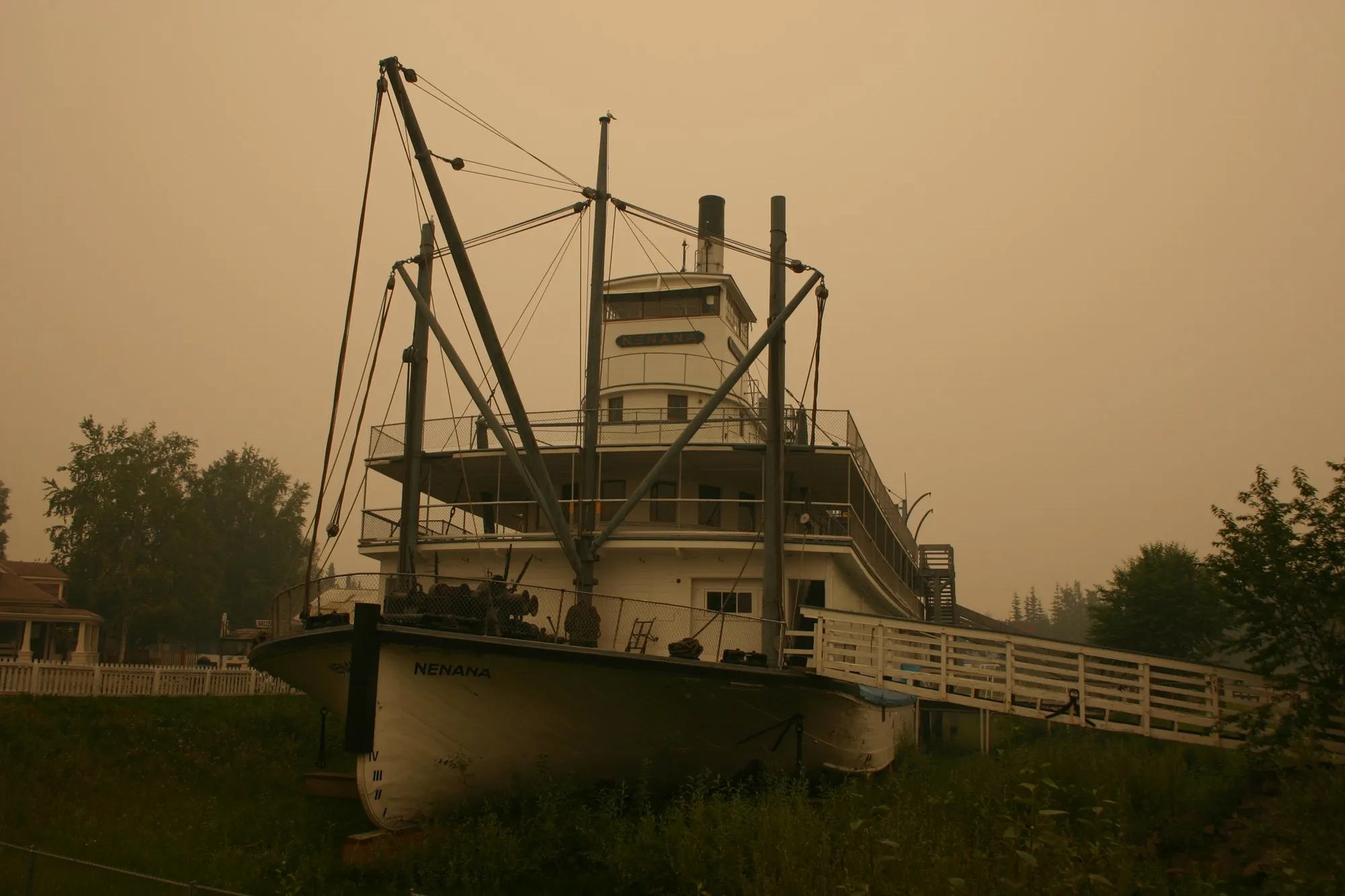
The Nenana was the largest steamboat the Alaska Railroad ran on the Yukon River system; the landmark study calls her larger than any previous Yukon River steamer. She carried passengers and freight from the railhead at Nenana down the Tanana and Yukon rivers for more than twenty years, and she survives, largely intact, on land in Fairbanks.
Why she was built
Congress authorized the Interior Department to run a freight, passenger and mail service on the Yukon in 1923, after private steamboat lines abandoned unprofitable routes. Operated by the Alaska Railroad, the service ran 642 miles from Nenana to Holy Cross, extended in 1925 to Marshall. It began with two aging Army steamboats, the Gen. J. W. Jacobs and Gen. Jeff C. Davis, and the Canadian steamer Alice, bought in 1927. To cut costs, the railroad ordered a single large boat to replace the two Army steamers.
Design and construction
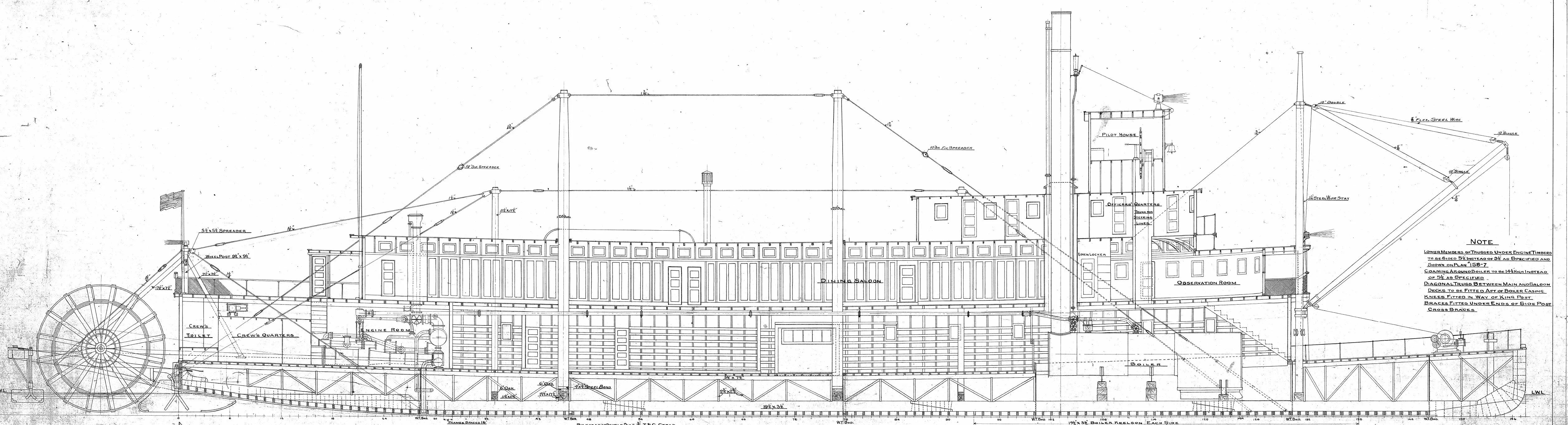
The design was deliberately conservative: a wood-hulled steamboat rather than a diesel or diesel-electric boat, whose behaviour in Yukon conditions was unknown. Naval architect W.C. Nickum of Seattle drew the plans in 1932 (see the drawings). The boat was prefabricated in Seattle and assembled at Nenana by the Berg Shipbuilding Company, with machinery installed by McGintie & McDonald. She was launched in May 1933.
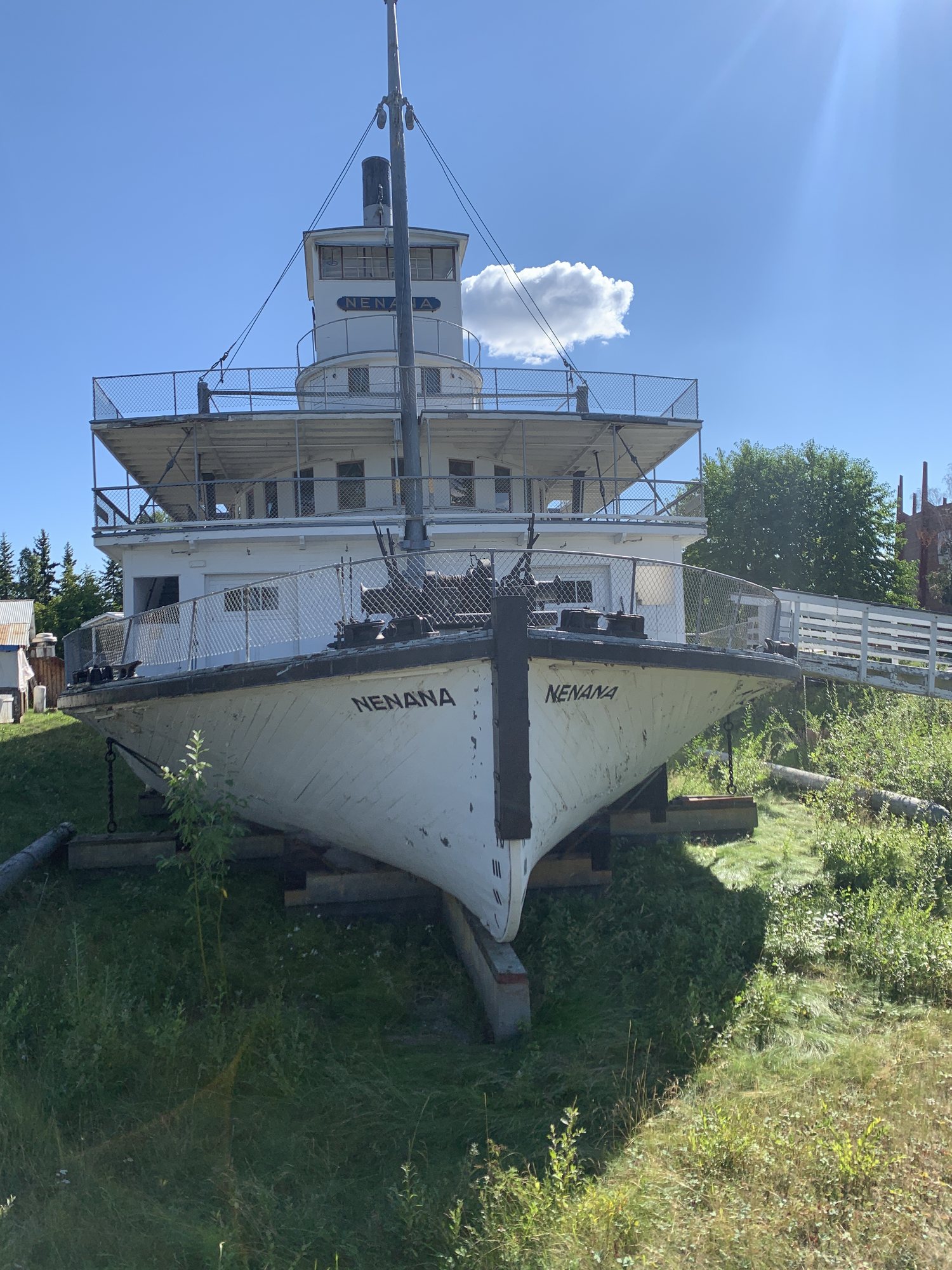
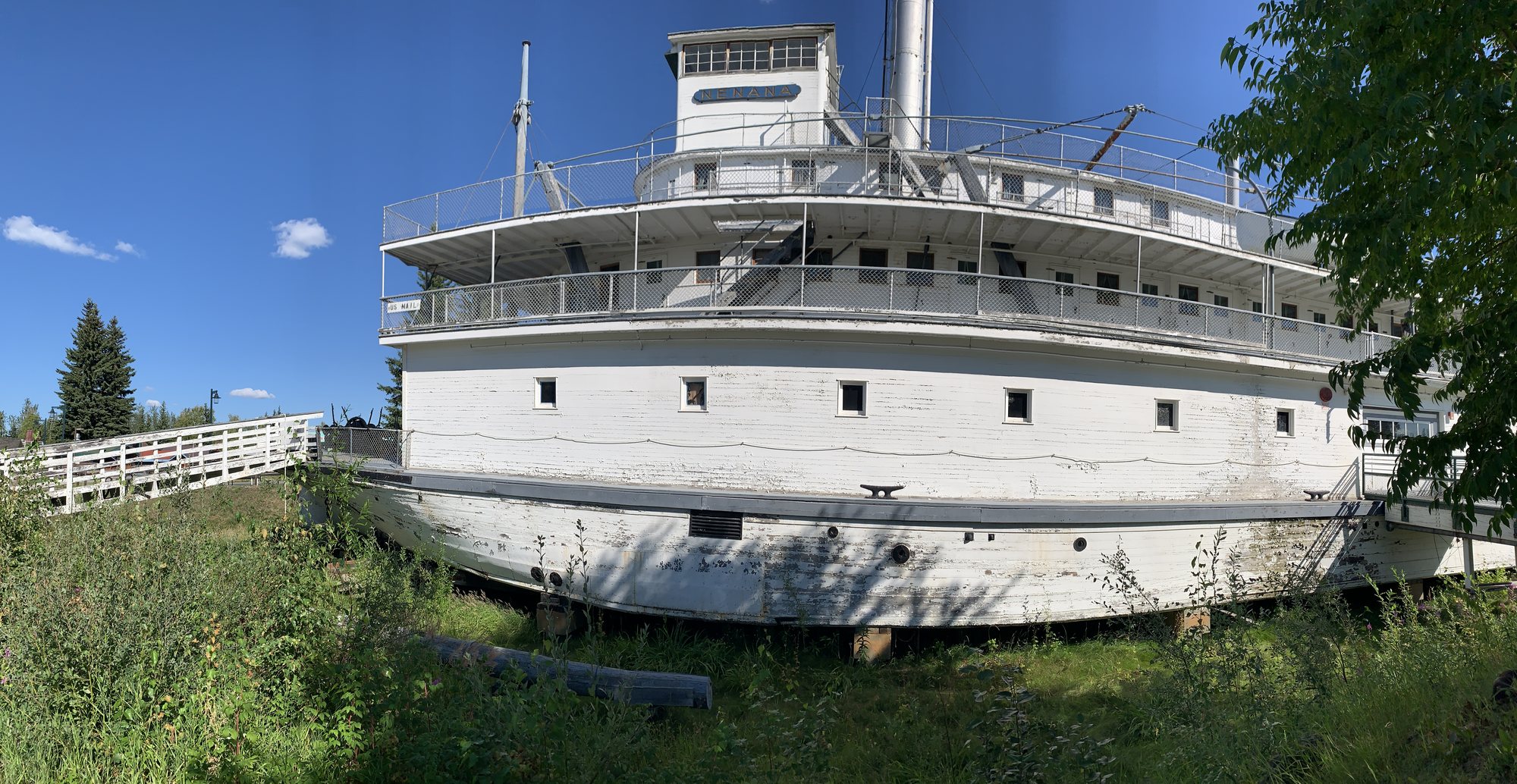
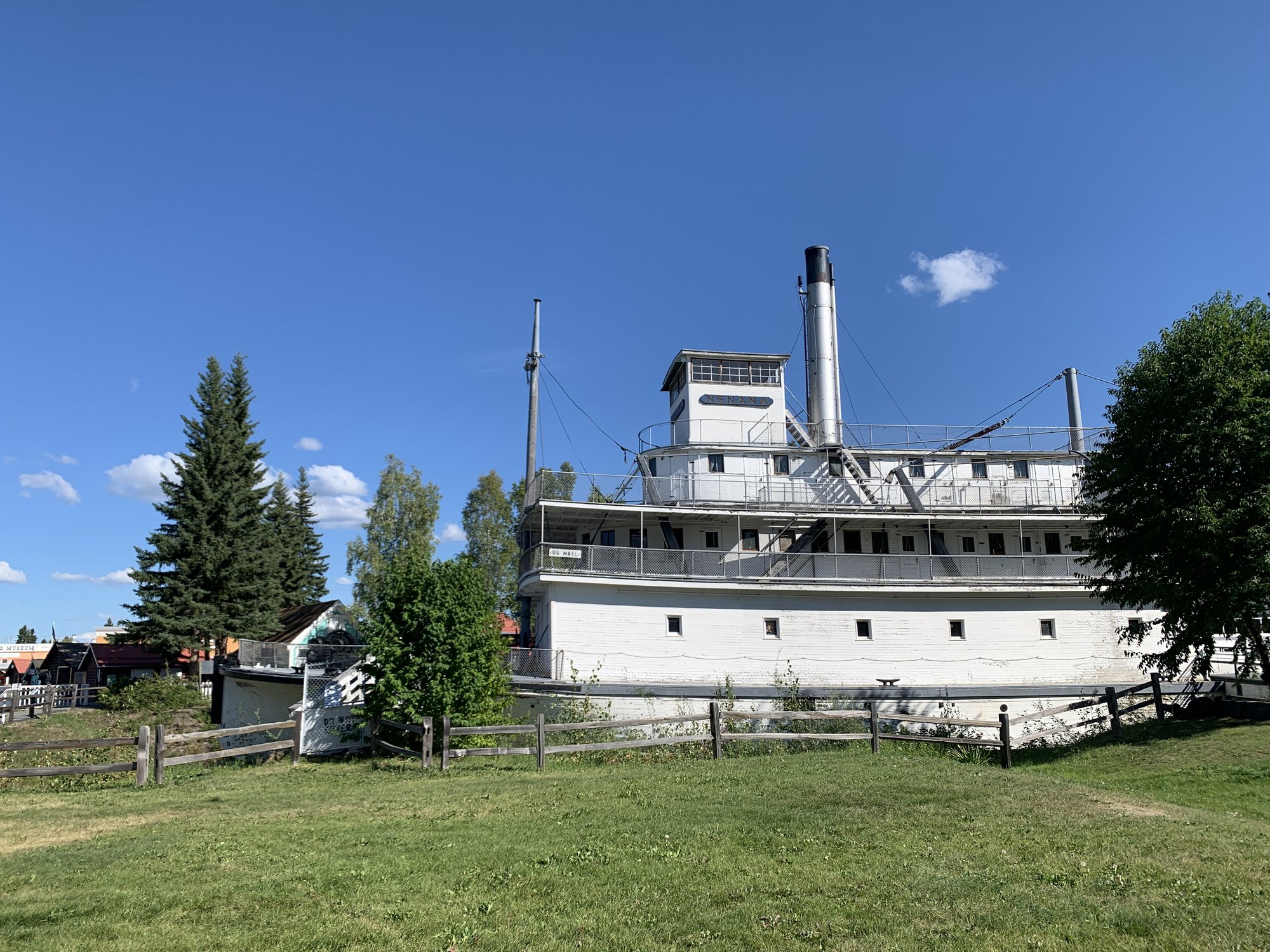
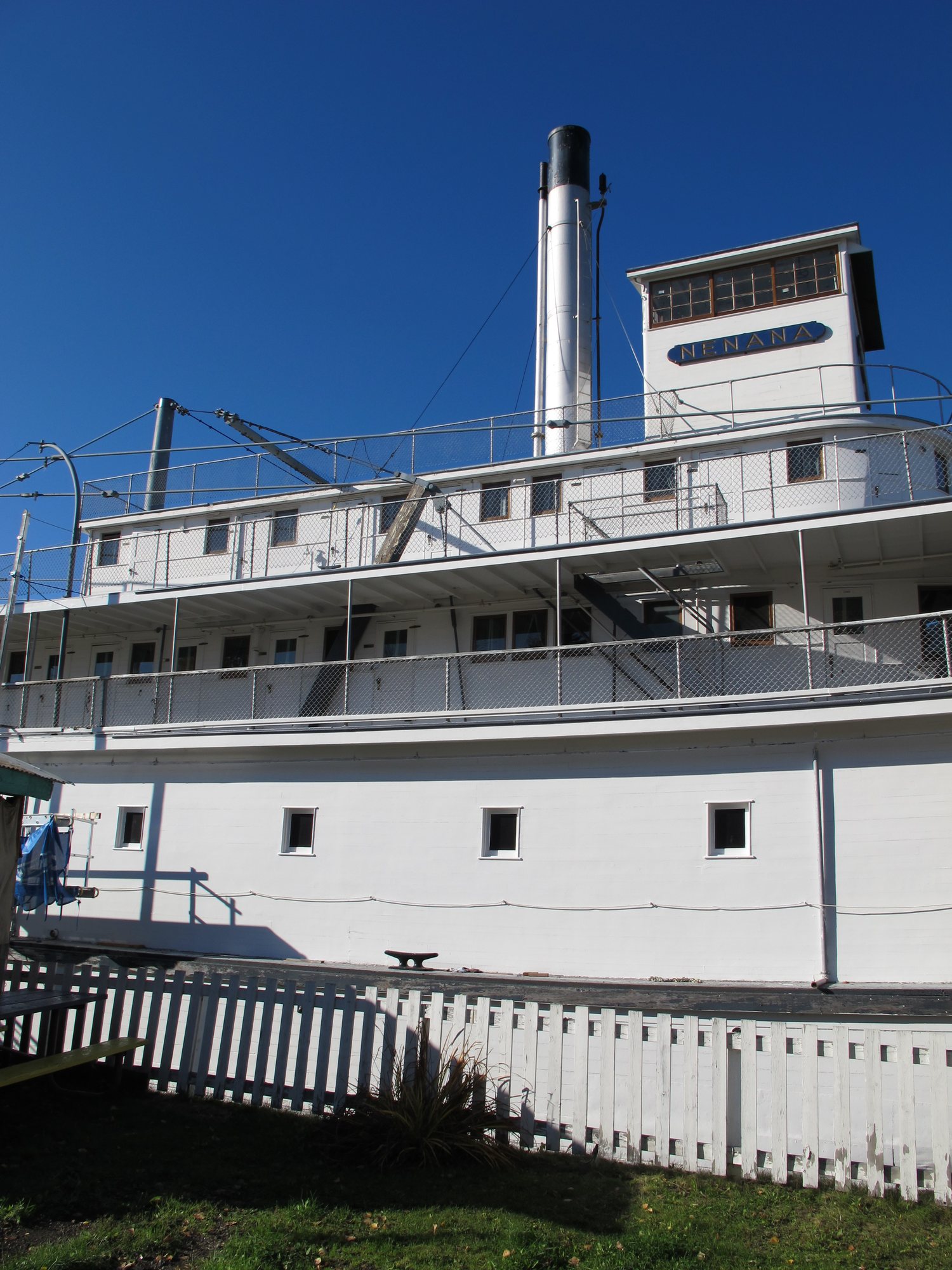
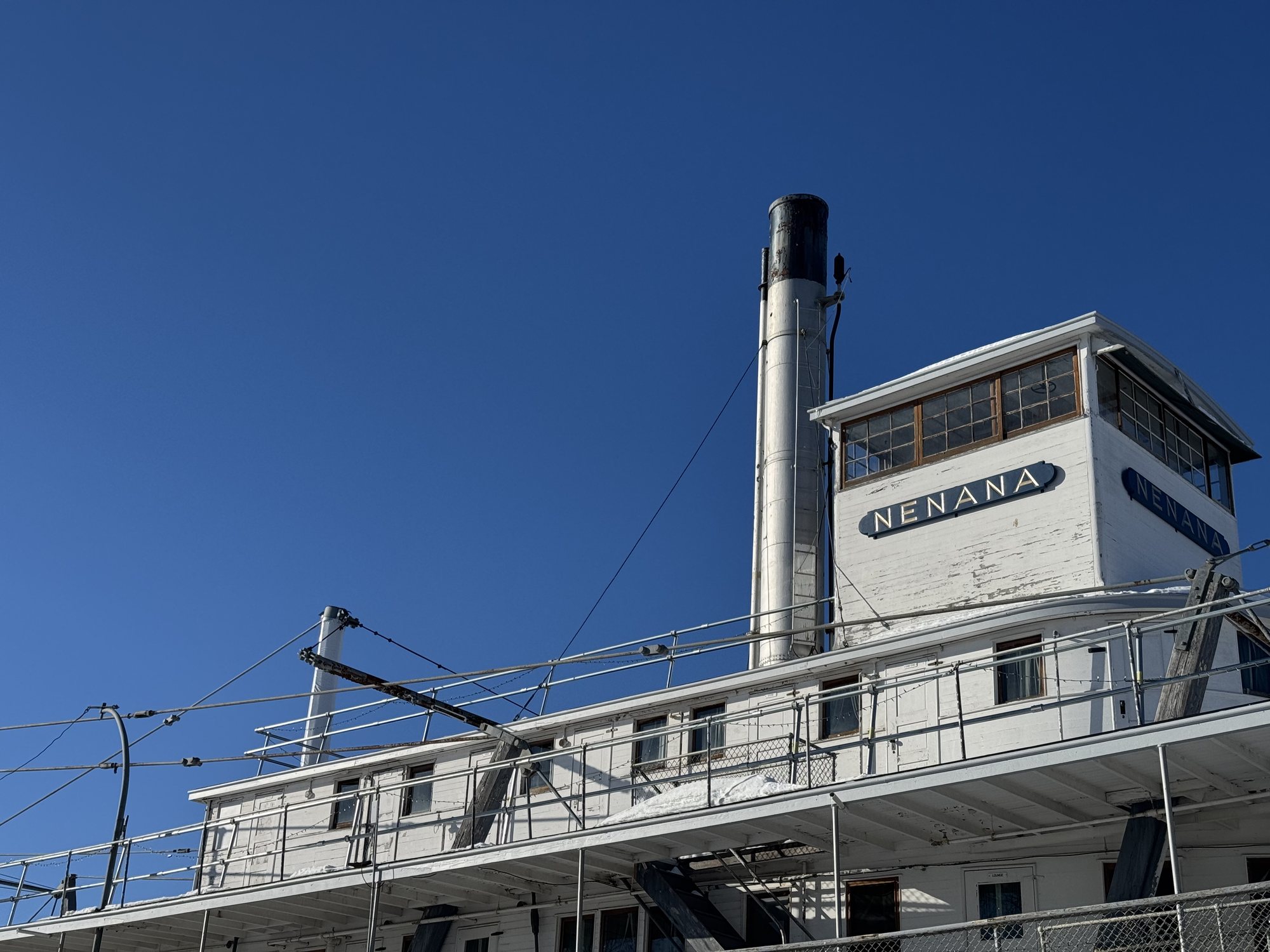
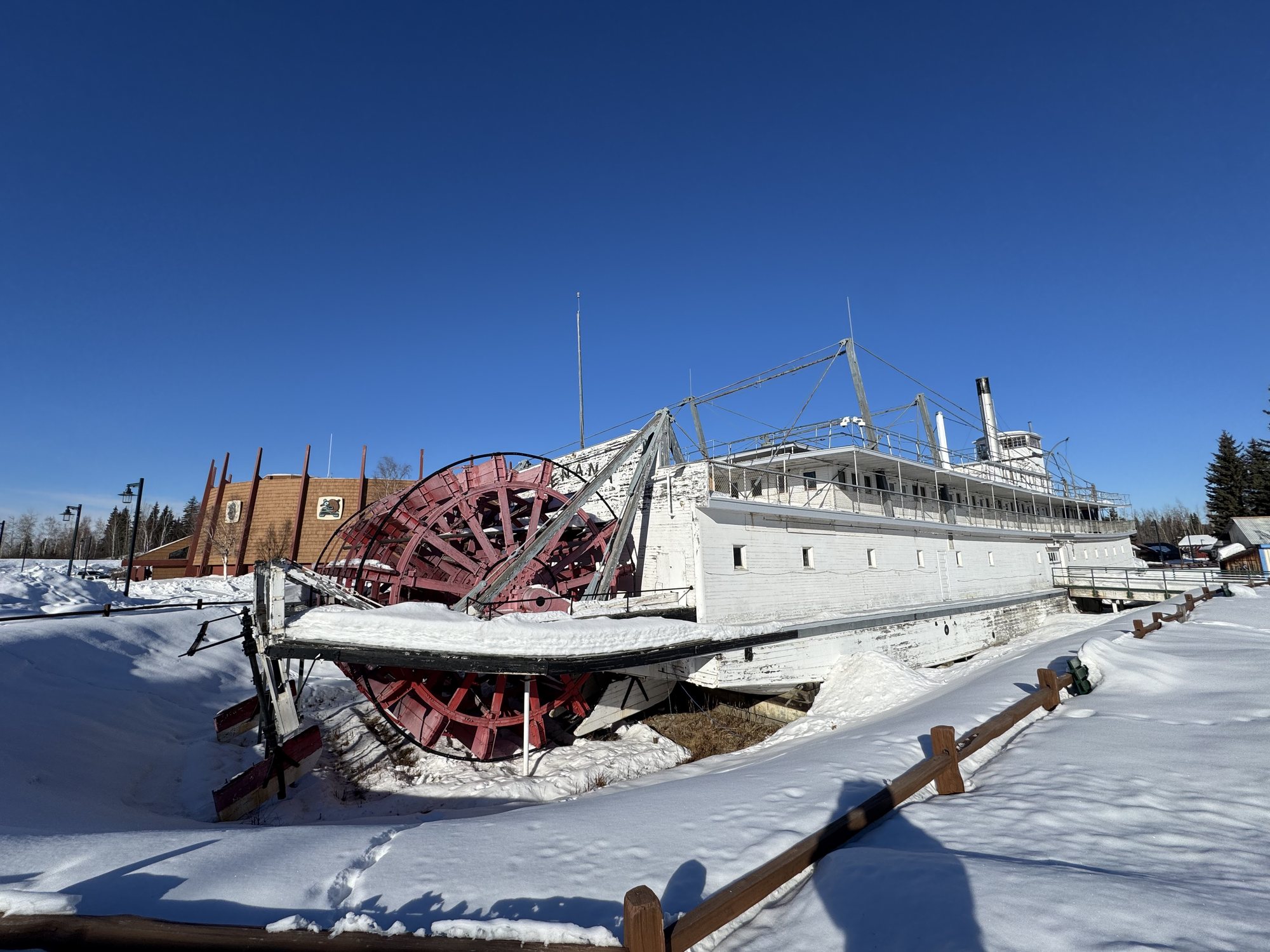
She is a five-deck western river packet: main (cargo) deck, saloon deck, boat deck, texas and pilothouse, with the pilothouse set well forward. The hull is 210 ft long on a 42 ft beam, 237 ft overall, and drew 3 ft 6 in fully laden.
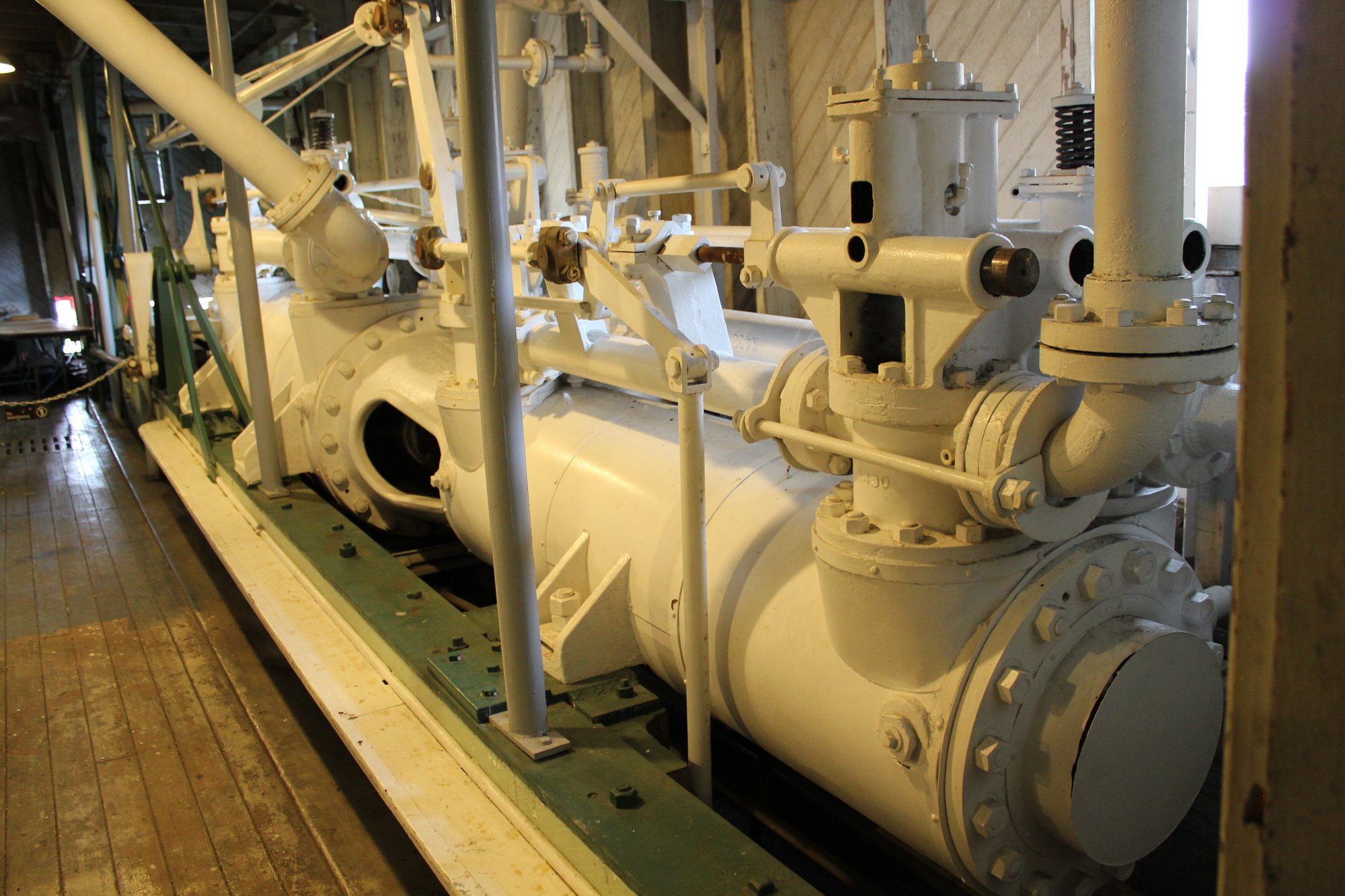
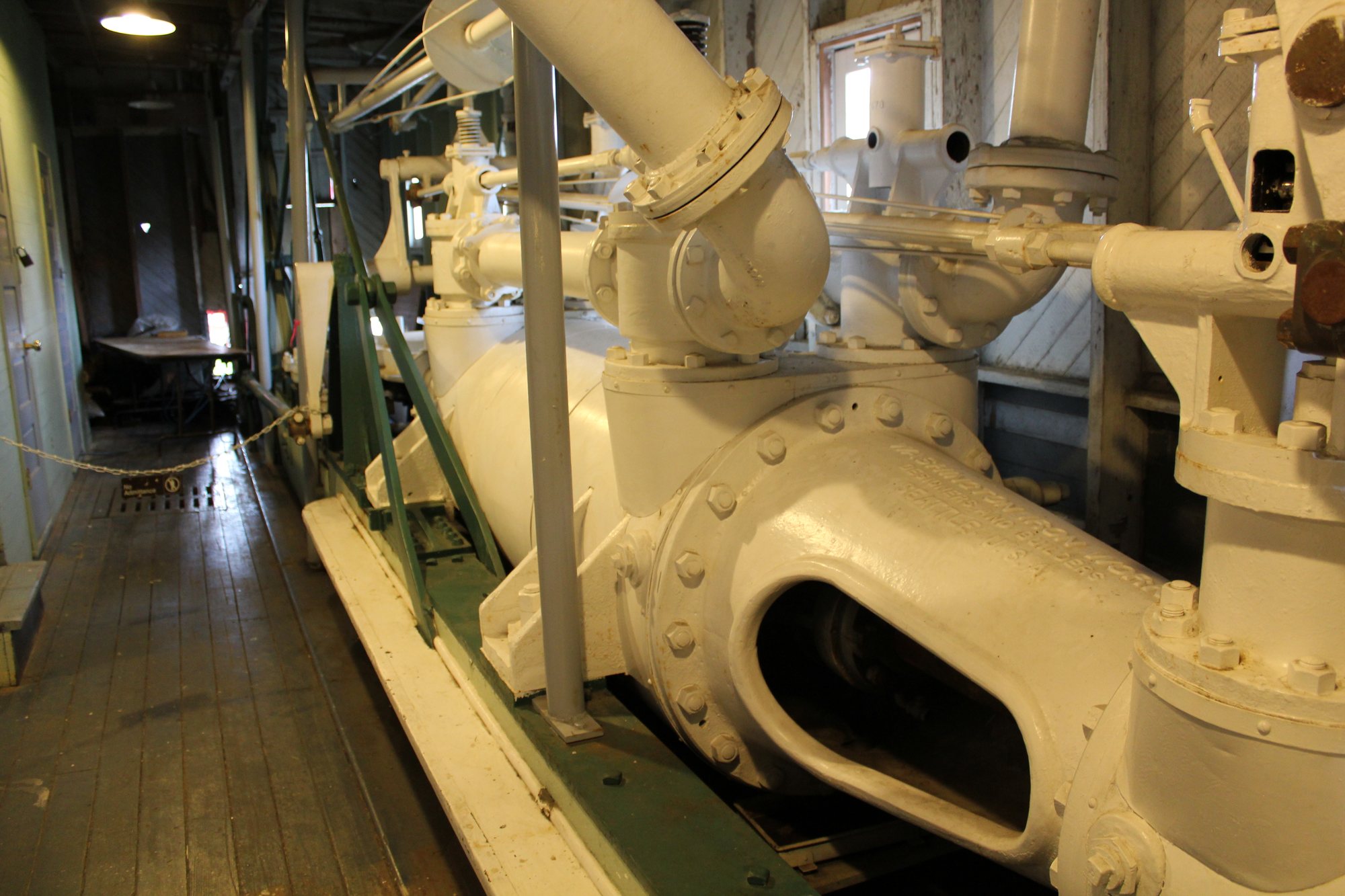
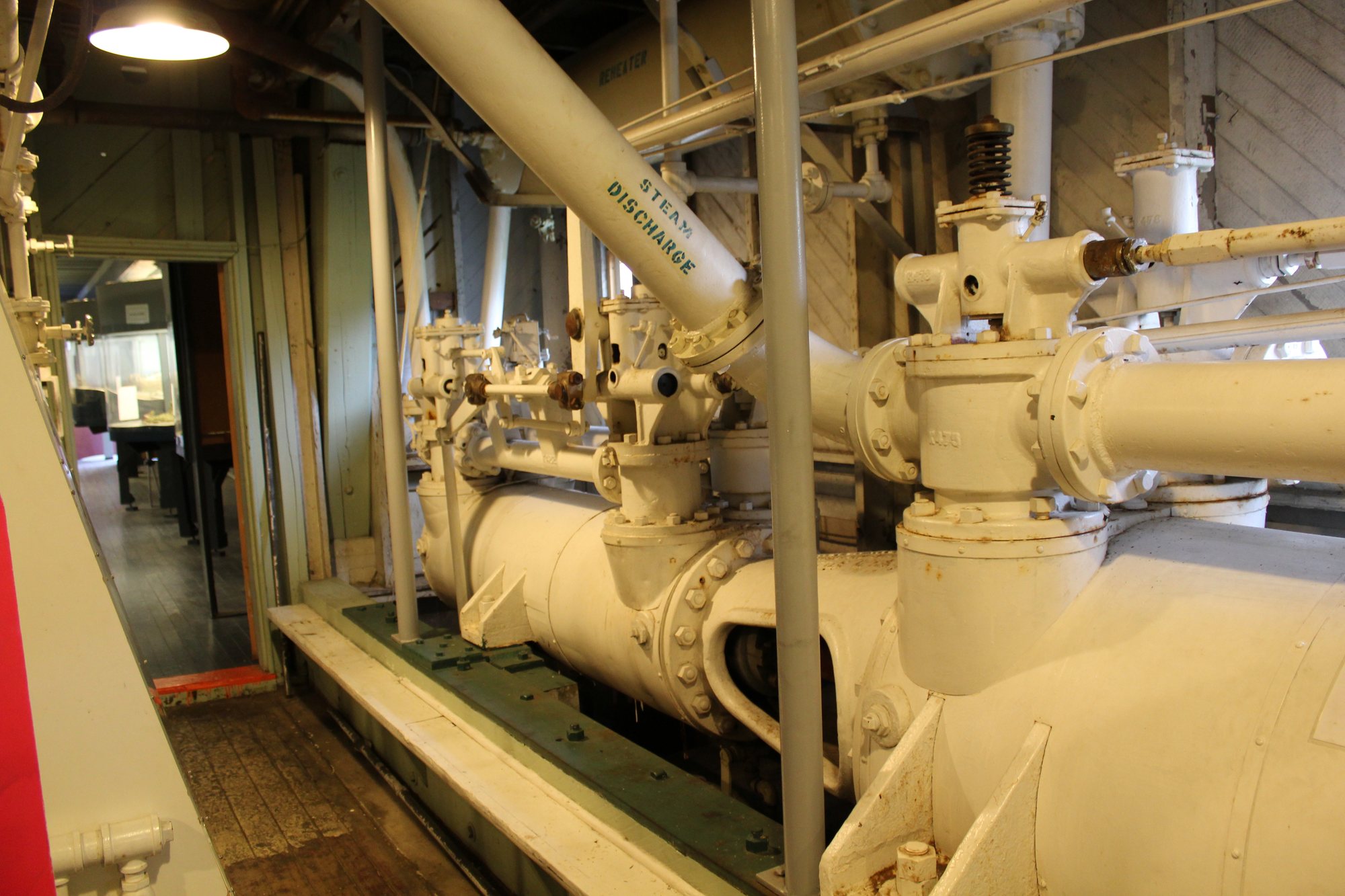
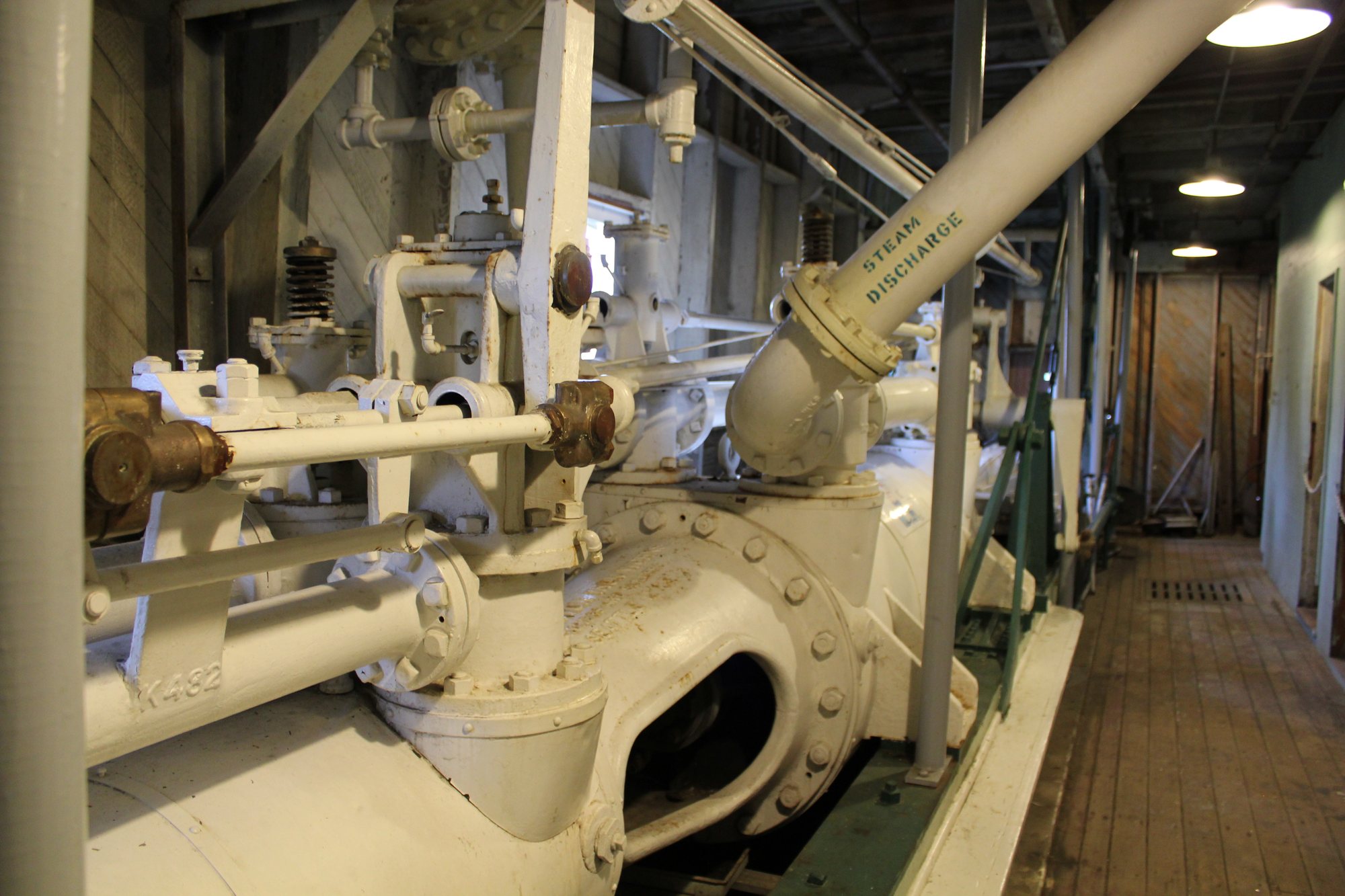
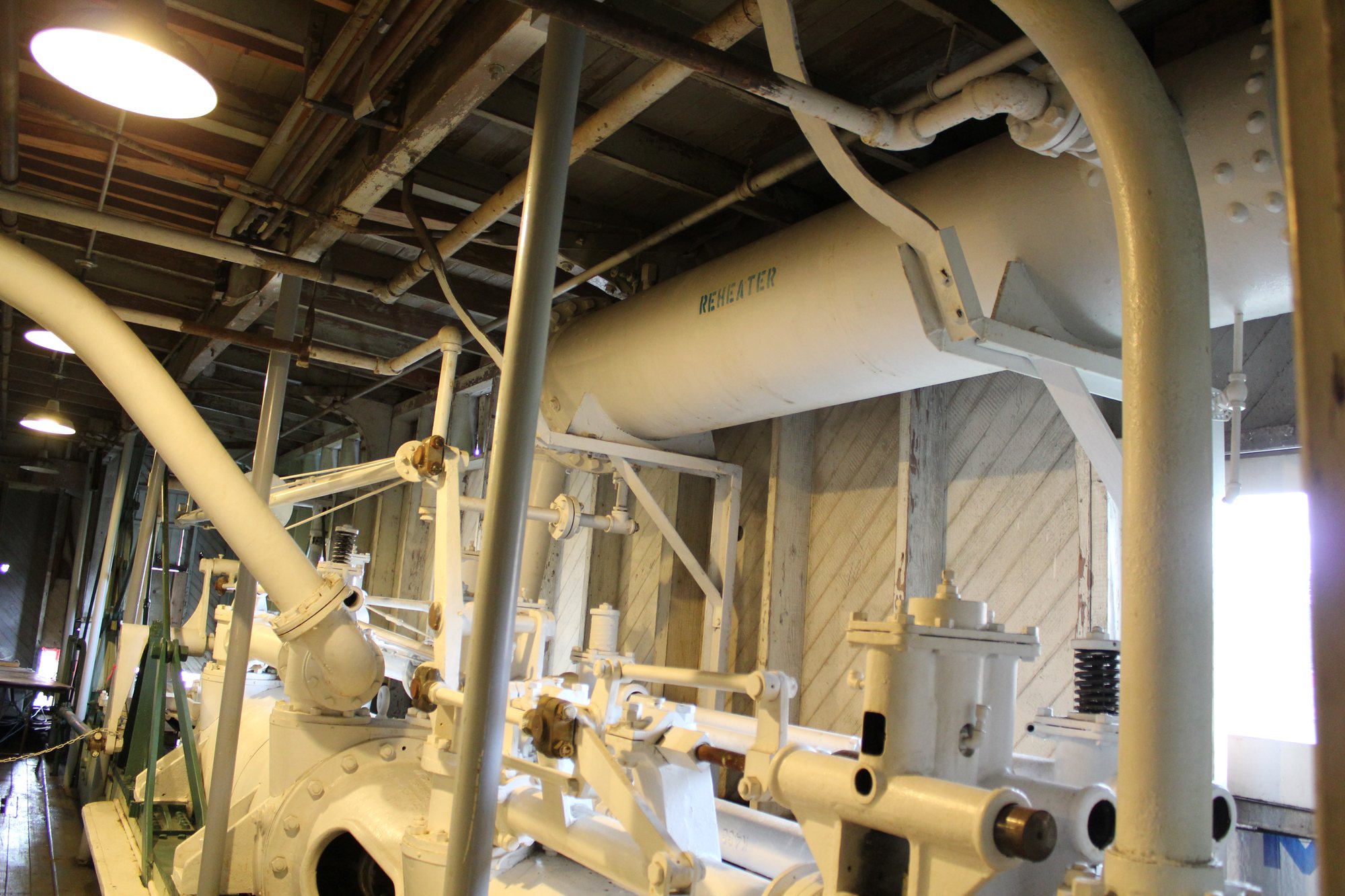
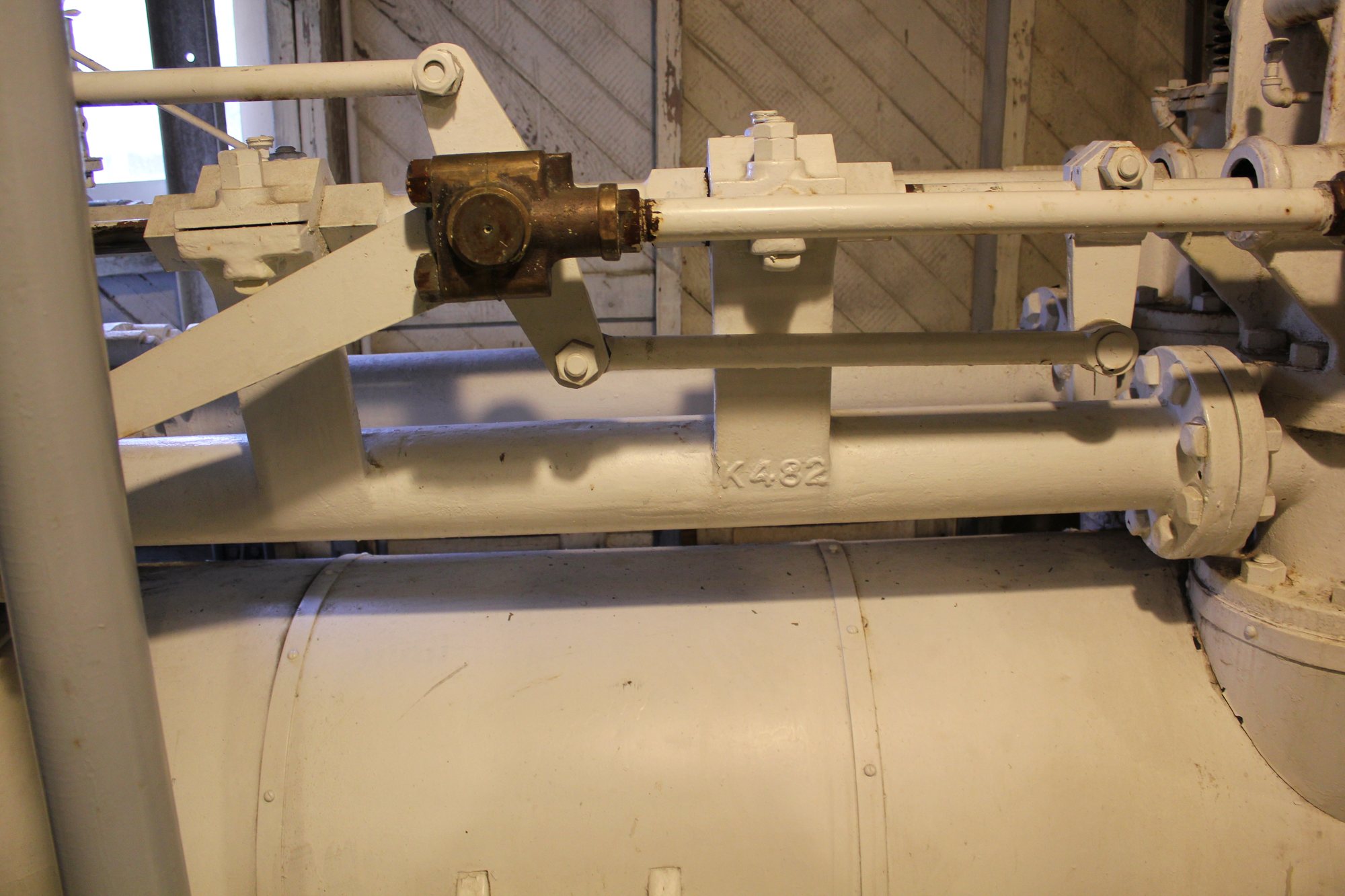
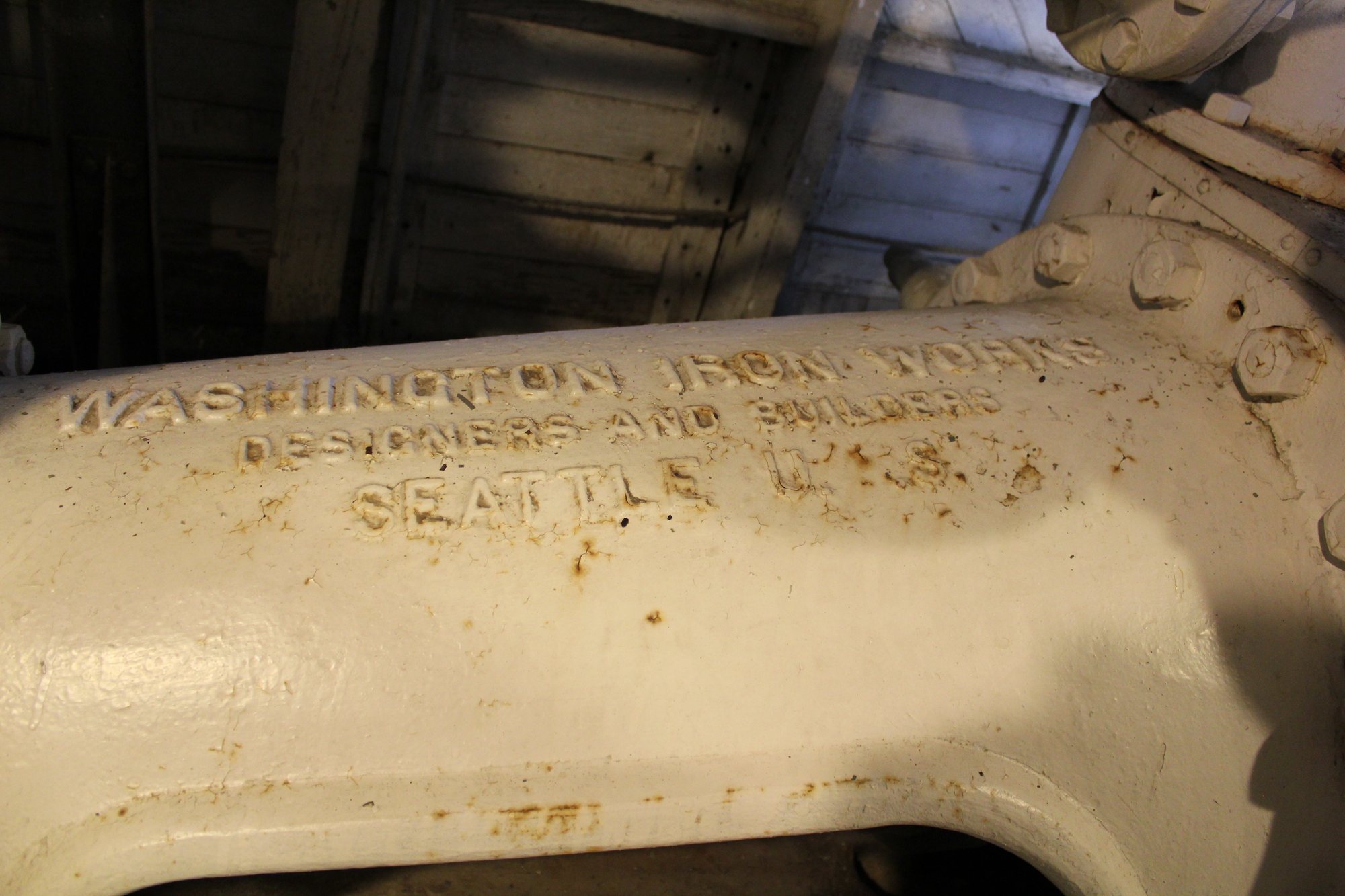
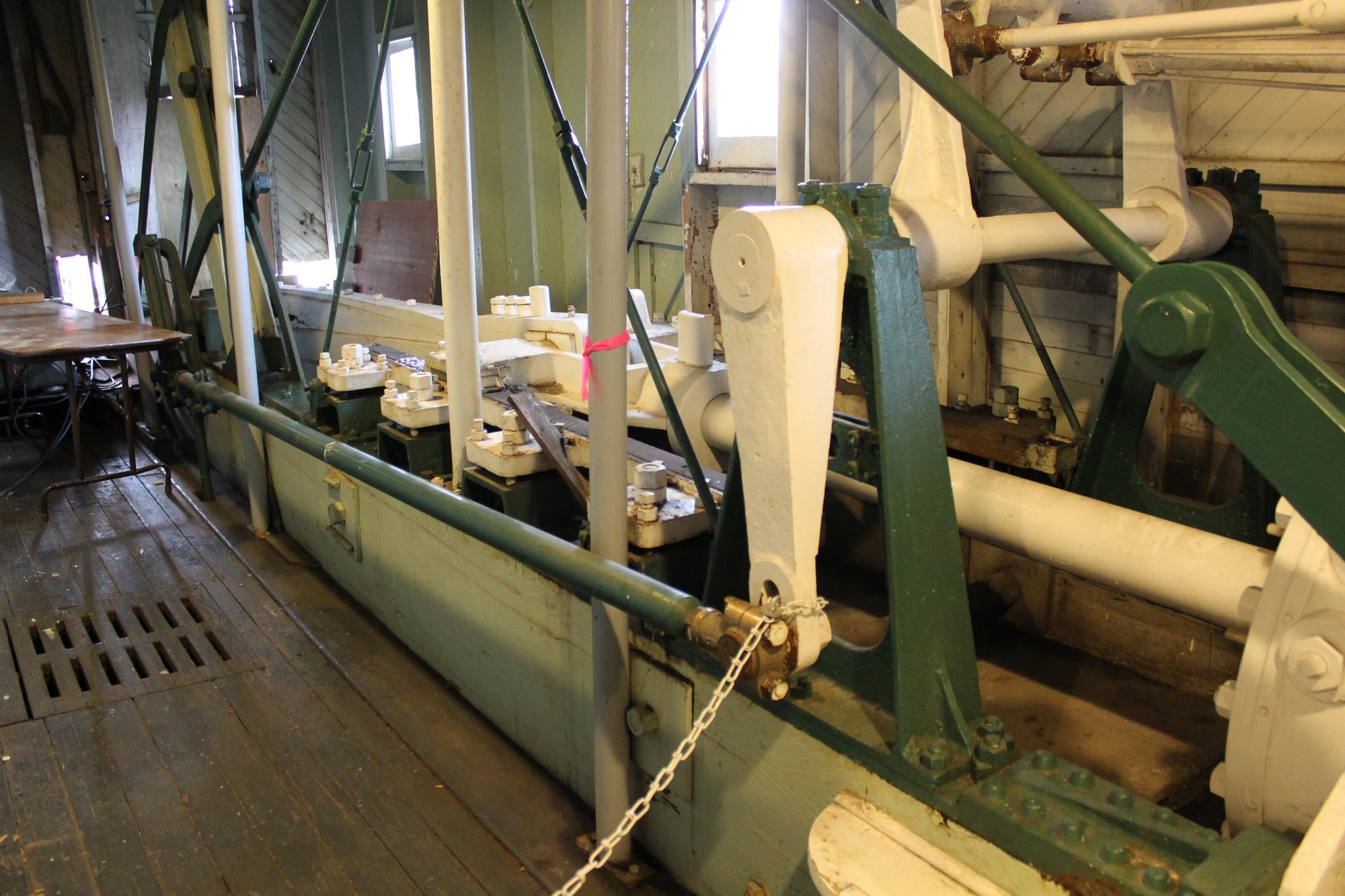
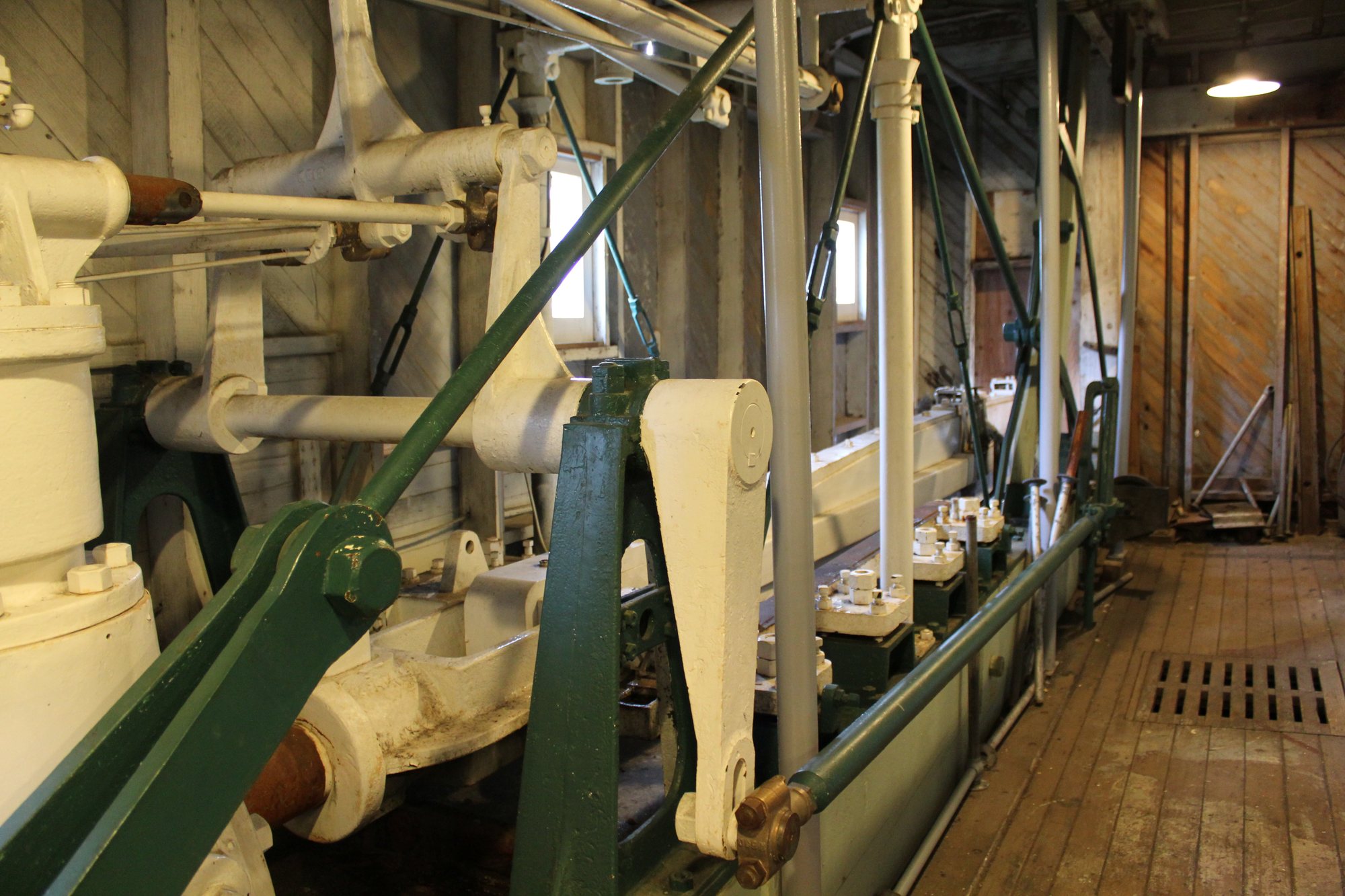
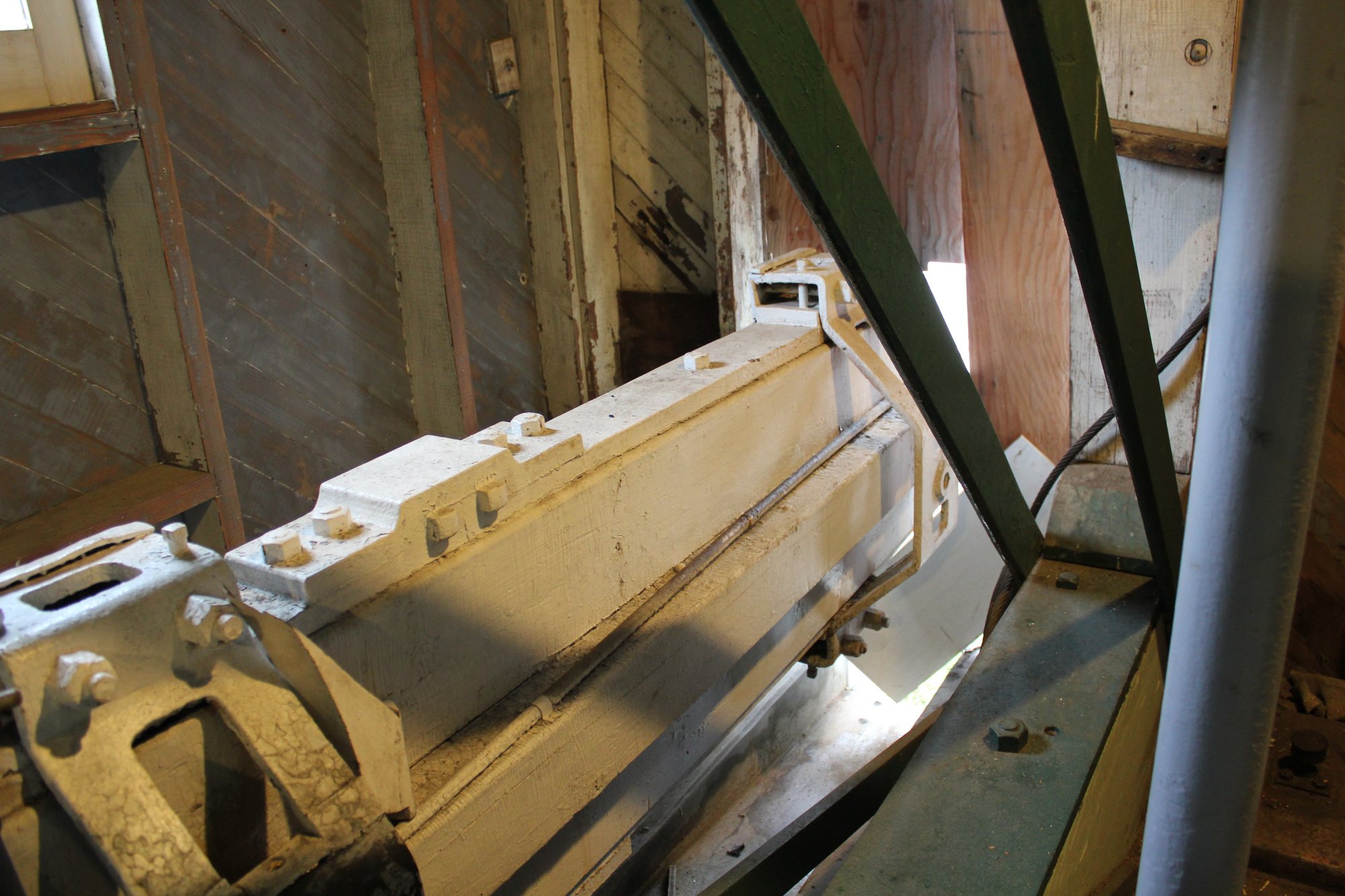
Her two engines came from the Washington Iron Works in Seattle: horizontal tandem-compound engines with 17 in high-pressure and 28 in low-pressure cylinders and a 6 ft stroke, rated at about 600 hp each. Compounding, which uses the steam twice, was the most efficient arrangement that could be fitted to a sternwheeler. Steam came from a multi-flue boiler, also from Washington Iron Works, set forward on the main deck. It burned wood until 1948, when she was converted to oil and fuel tanks were fitted below the foredeck.
Changes after the first season
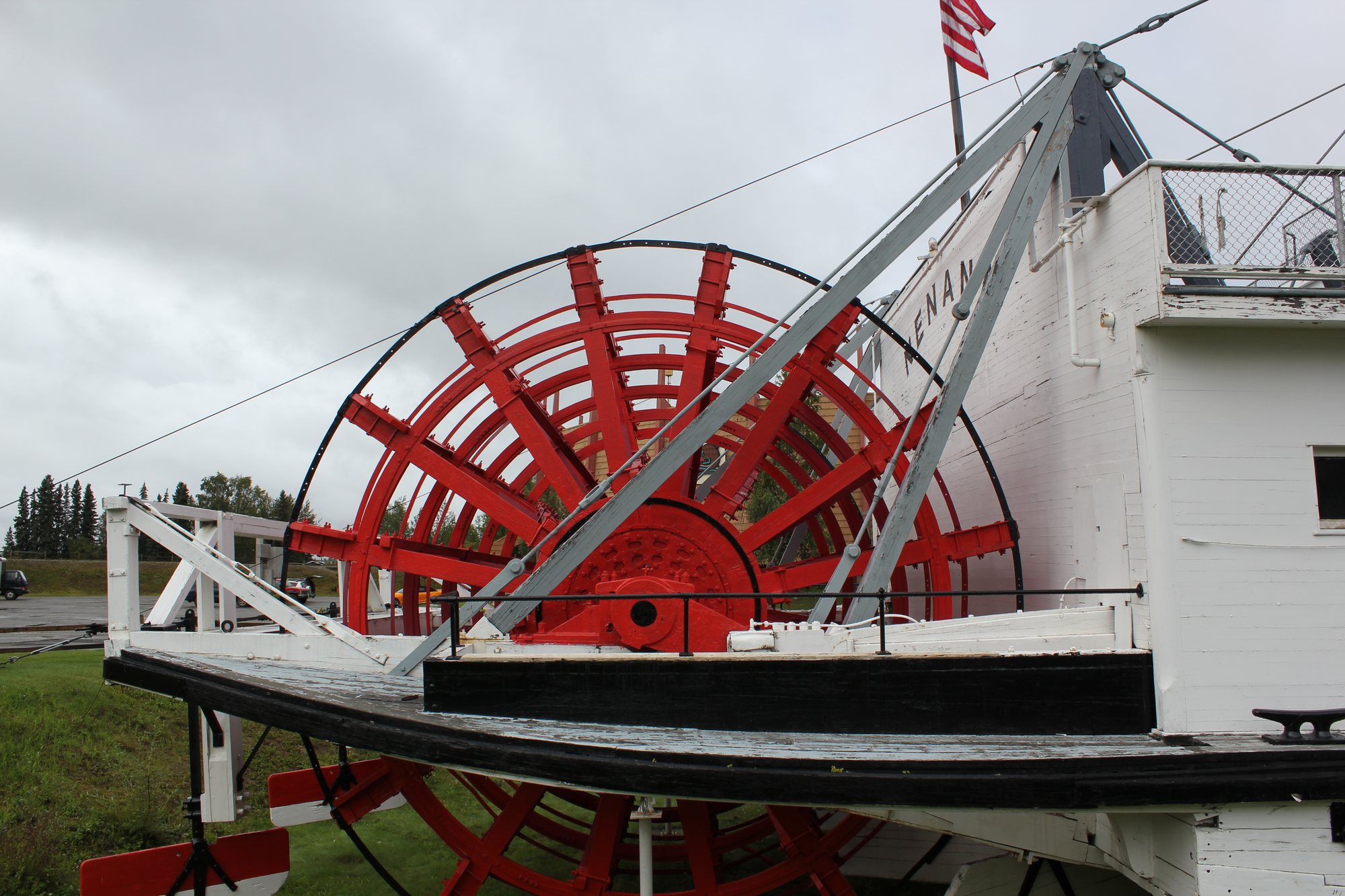
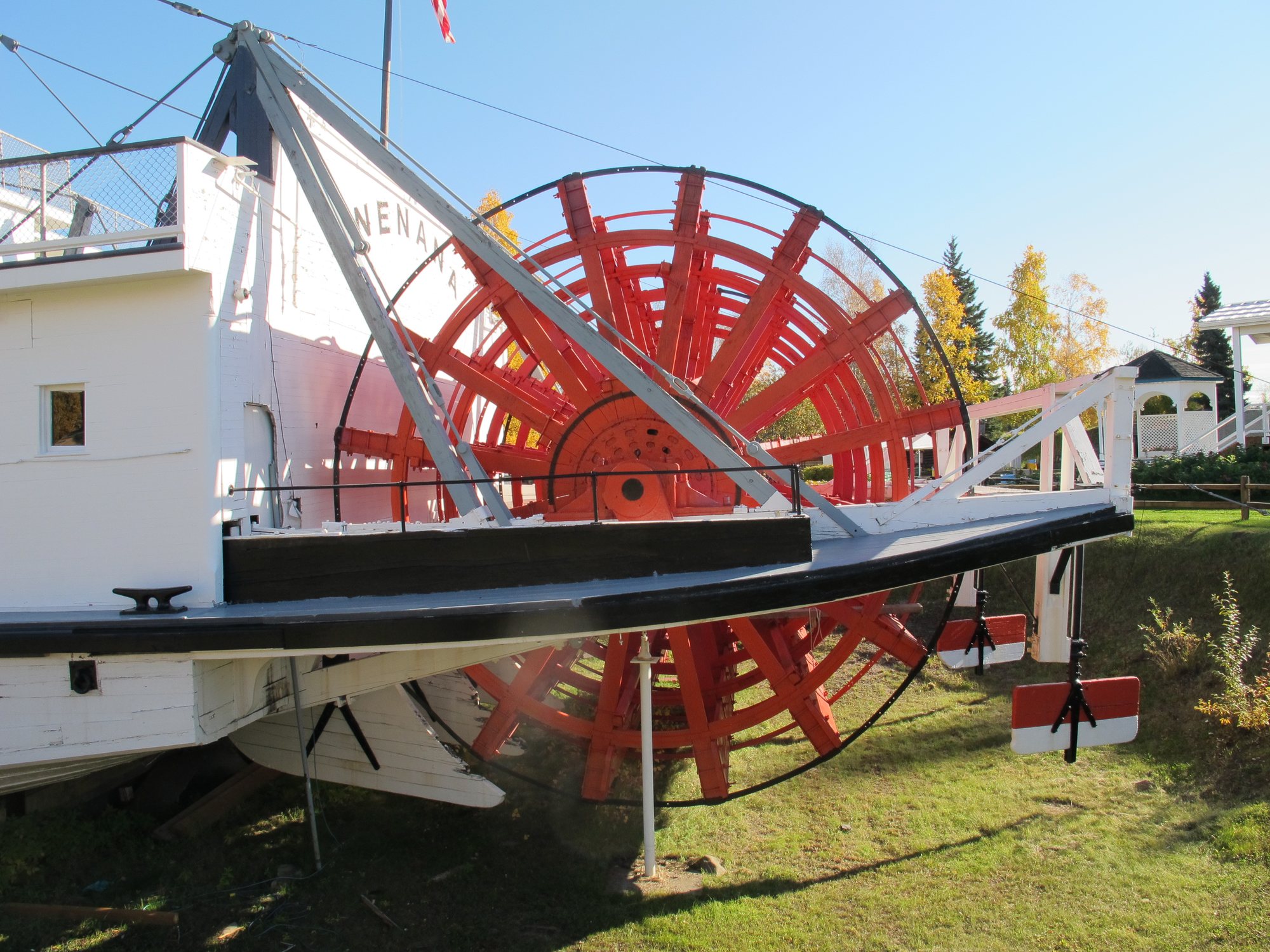
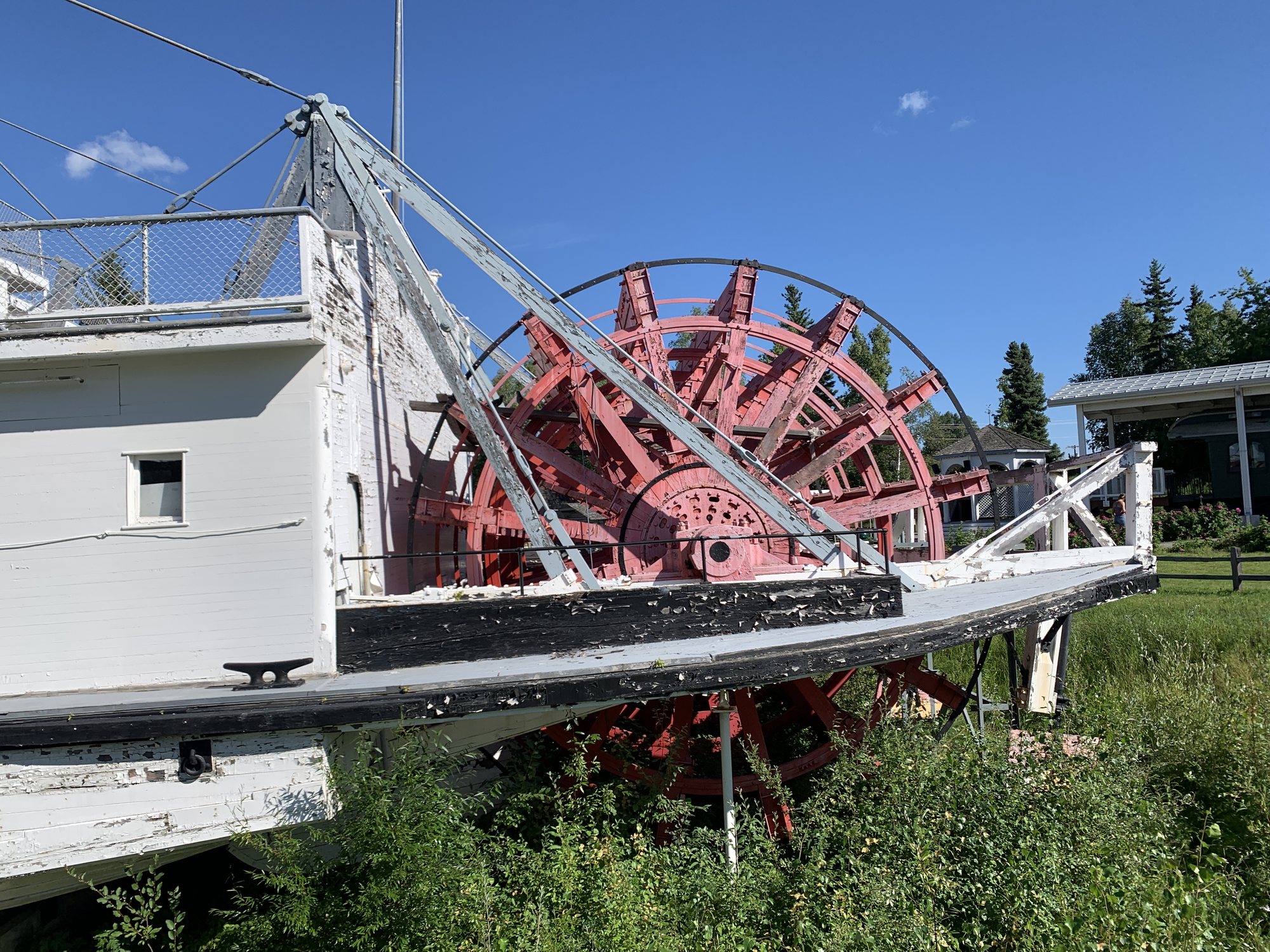
The hull proved too flexible in her first year. In the winter of 1934 it was stiffened, a lighter wheel shaft was fitted and the 28 ft sternwheel was rebuilt to take weight off the stern, and hydraulic steering gear was added.
On the river
The Nenana made a 1,600-mile round trip from Nenana to Marshall every two weeks, from mid-May to October 1, with occasional runs above the Arctic Circle to Fort Yukon. She could push five or six barges on the Yukon but only one on the twisting Tanana. Her crew numbered 32. Winters were spent hauled out on grids high on the riverbank, clear of the ice.
Passenger numbers fell as aircraft took over, and to make up the difference the American Express Travel Department sold tours that included a riverboat trip, offered every year until 1941. During the Second World War she was kept busy supplying military posts, including Galena Air Base, a stop on the route by which American aircraft were ferried to the Soviet Union.
Last working years
The Alaska Railroad ended river passenger service after the 1949 season. The boat was reconditioned at Whitehorse after the 1952 season at a cost of $164,409.20, made one more trip north, and was laid up. In 1954 the new Yutana Barge Lines leased the railroad’s river fleet; it ran the Nenana for one season and gave her up as unprofitable.
Preservation
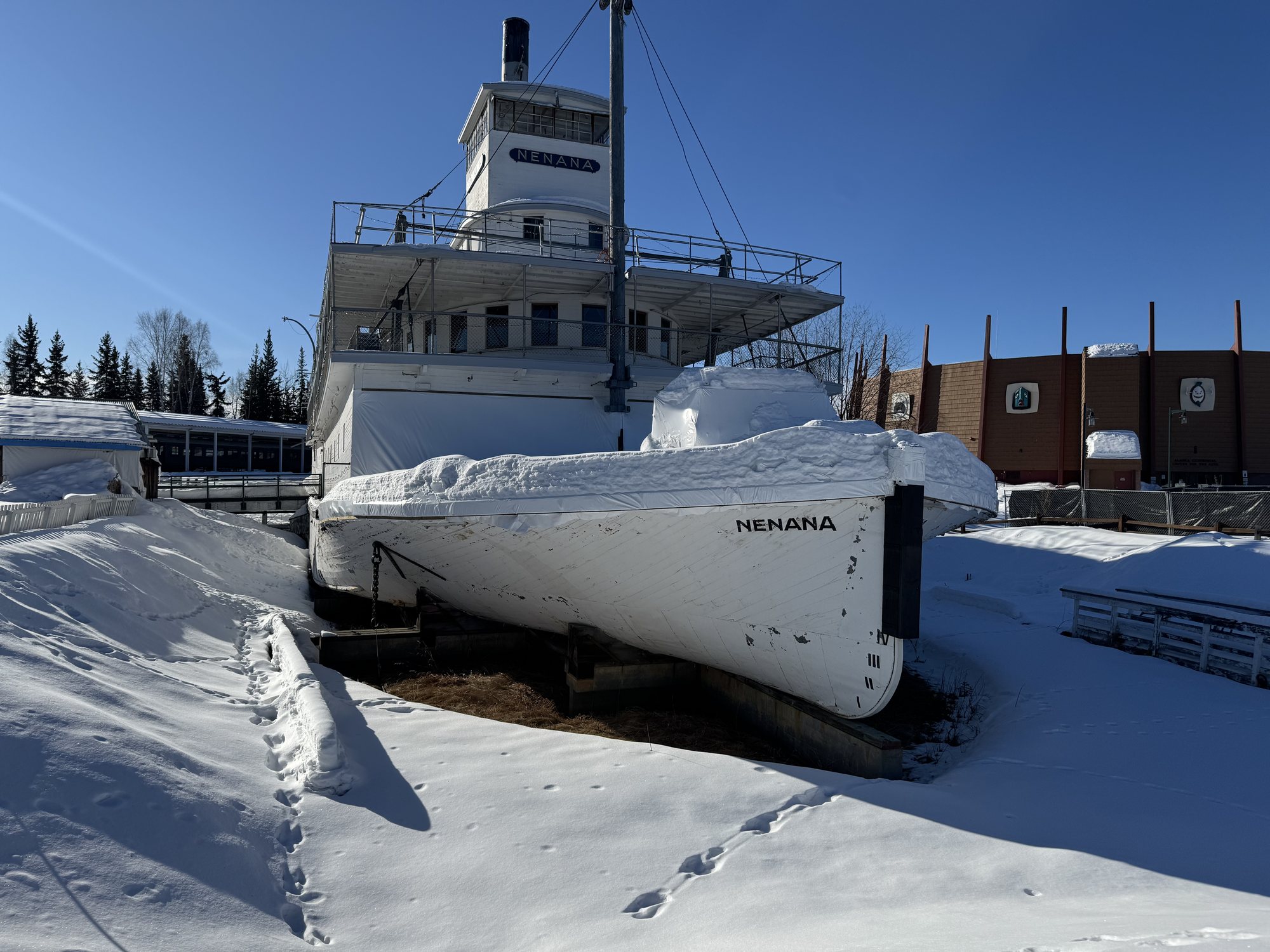
The General Services Administration called for bids on December 10, 1955. Greater Fairbanks Opportunities, Inc., a group linked to the Fairbanks Chamber of Commerce, bought her, steamed her up the Tanana and Chena rivers to Fairbanks, and opened her as a museum ship in 1957; for a time she also served as a hotel. Weather, neglect and souvenir hunters took a toll at her riverside berth, and in 1965 she was moved into a dry berth in a canal as the centrepiece of Alaskaland, the park built for the 1967 Alaska Purchase Centennial and now Pioneer Park. At that time the boiler and main steam line were cut out, and the galley, crew mess, staterooms and texas cabins were removed or altered for use as a bar, dance floor and meeting rooms. The engine room was left substantially intact.
She was designated a National Historic Landmark on June 5, 1989. The 1988 landmark study judged that 70 to 90 percent of her original fabric remained.
Notes on the sources
The landmark study is not consistent on a few points, which are left open here until other sources are checked:
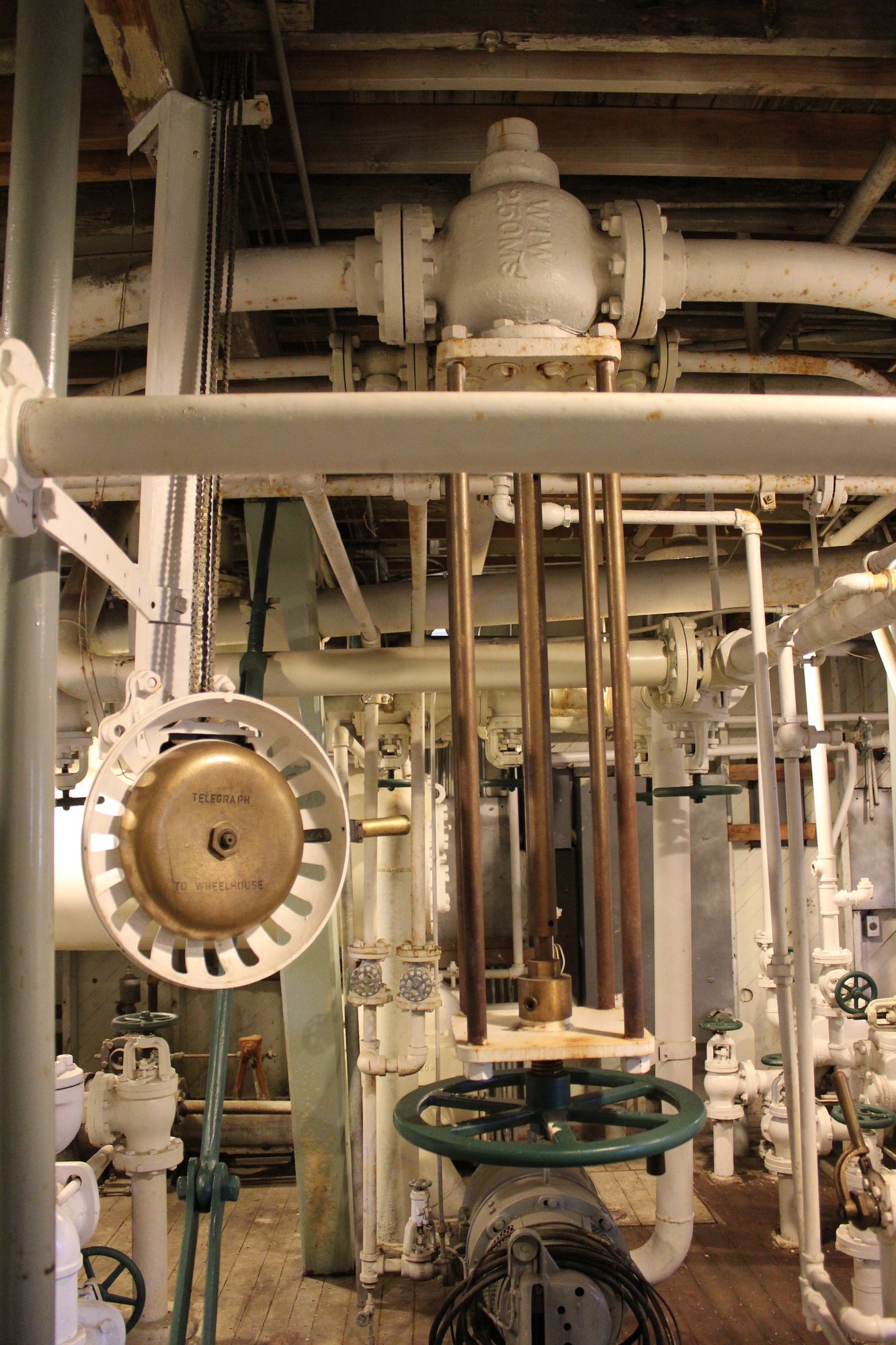
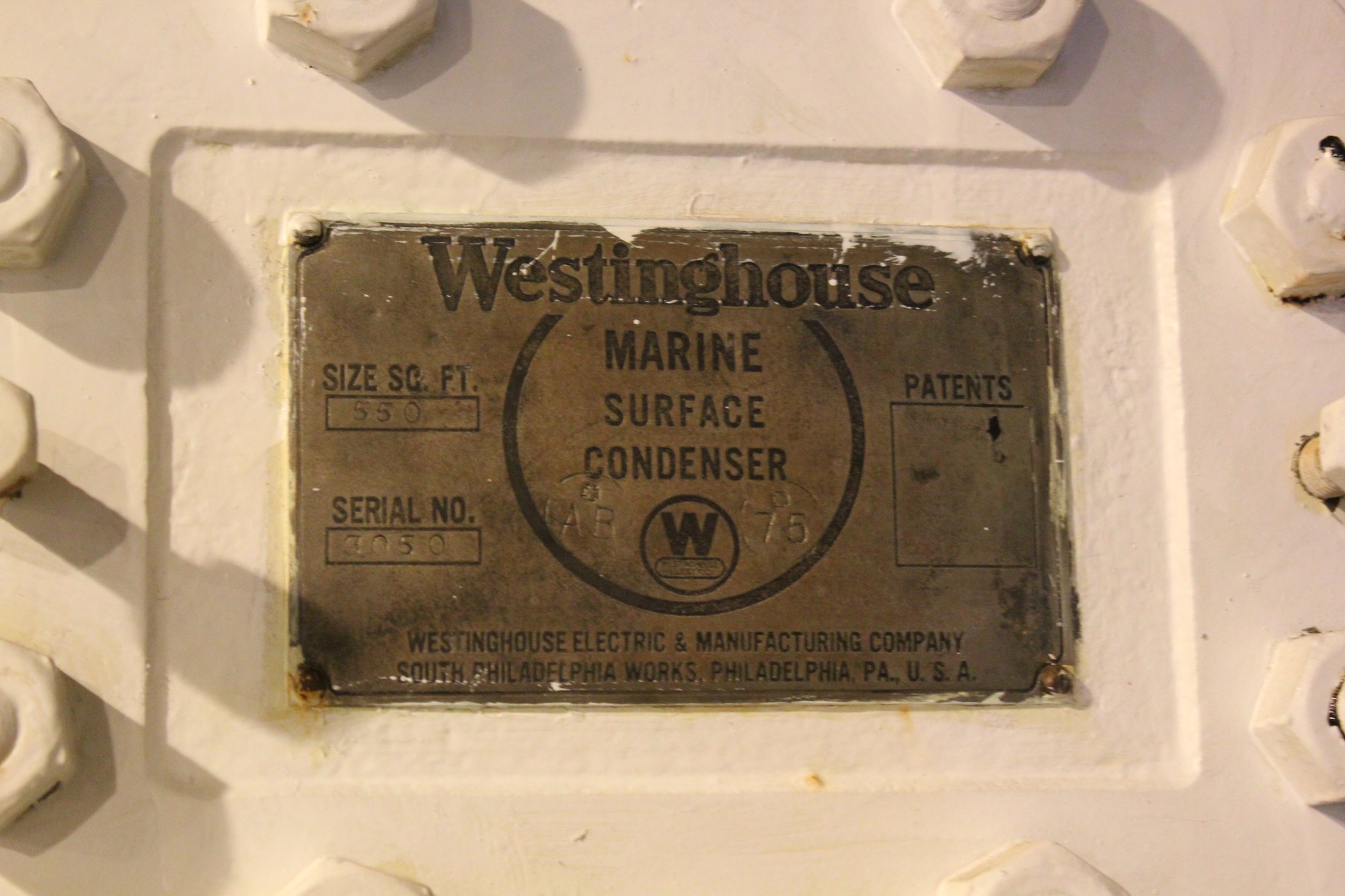
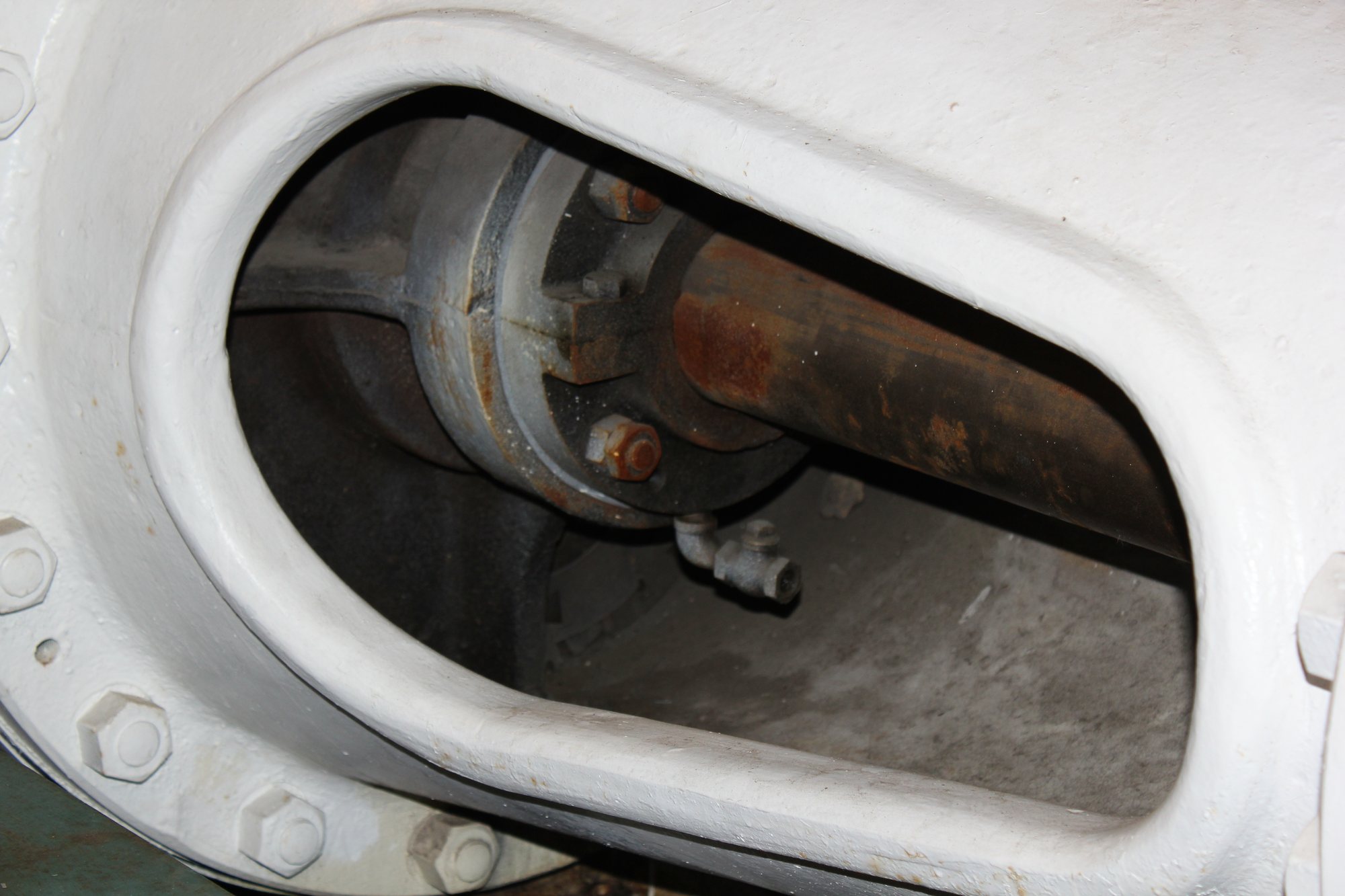
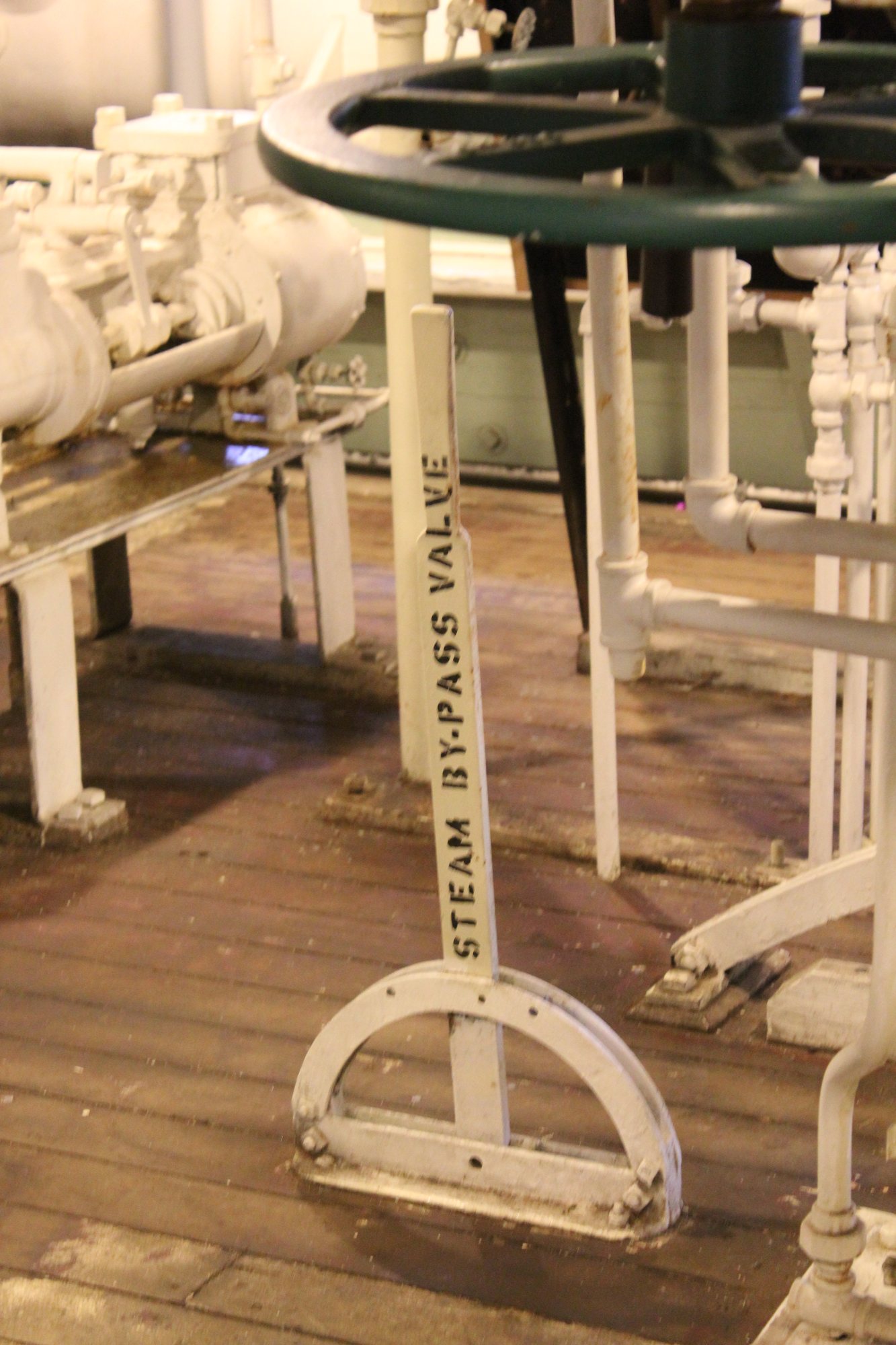
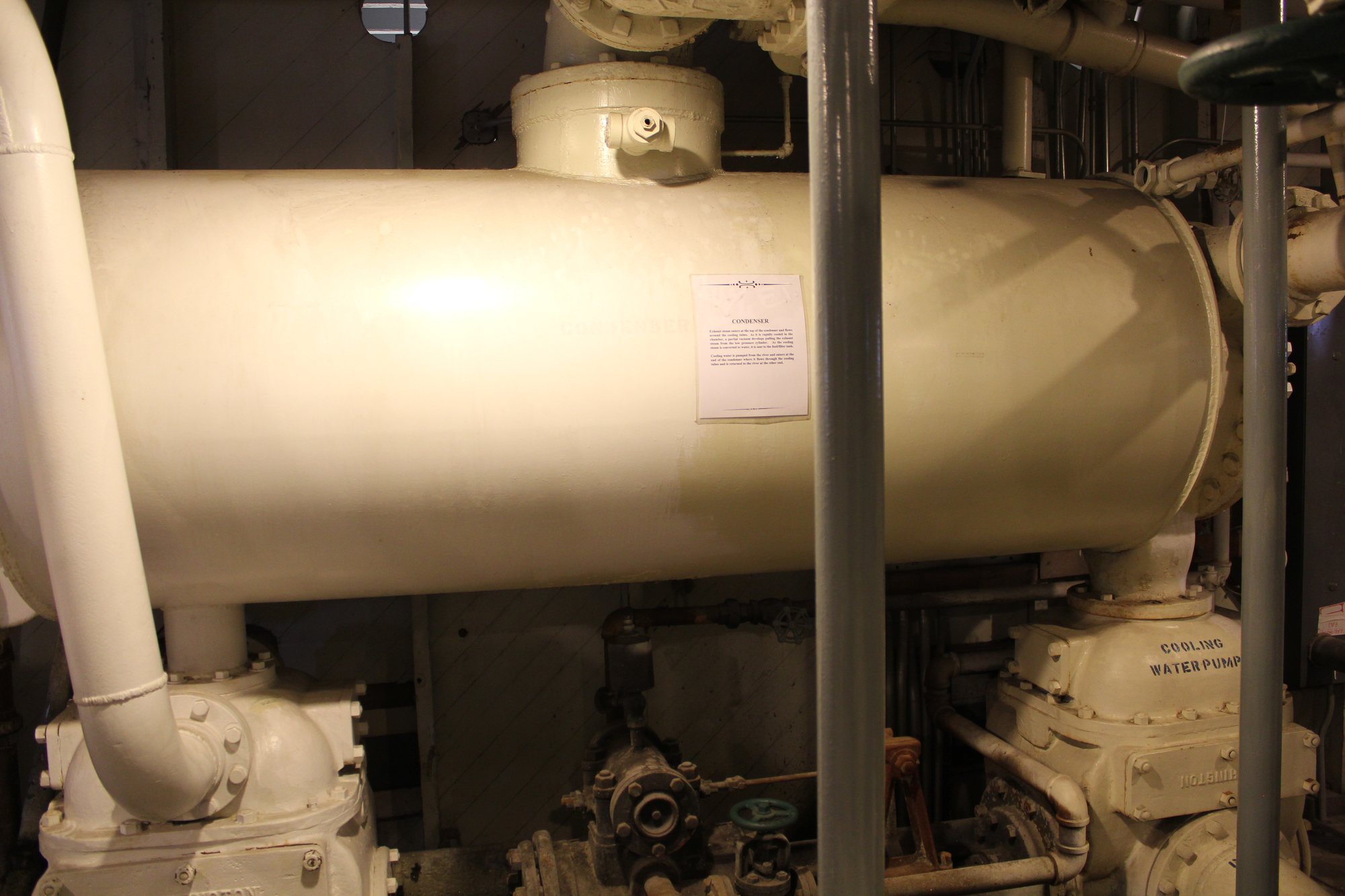
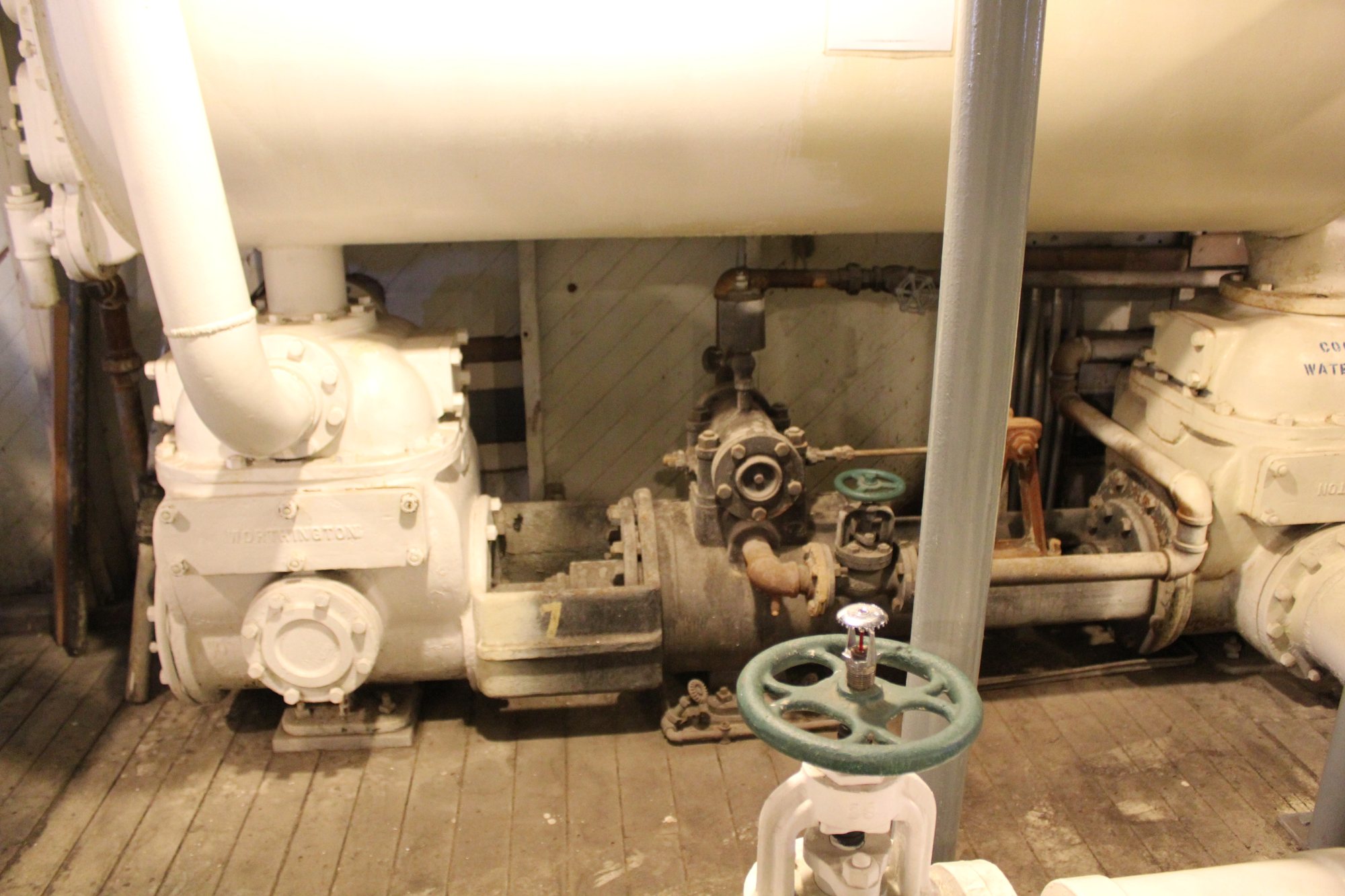
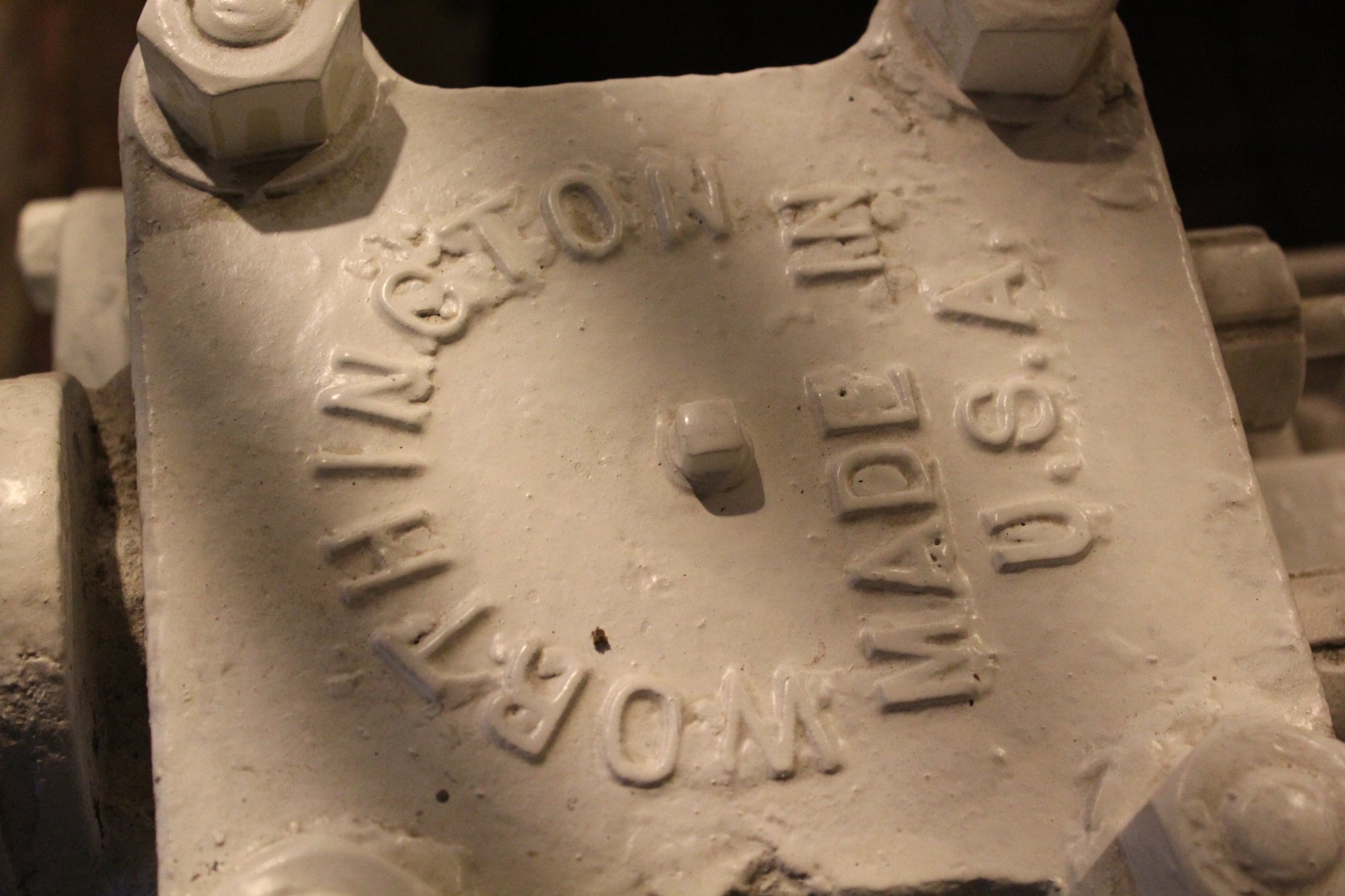
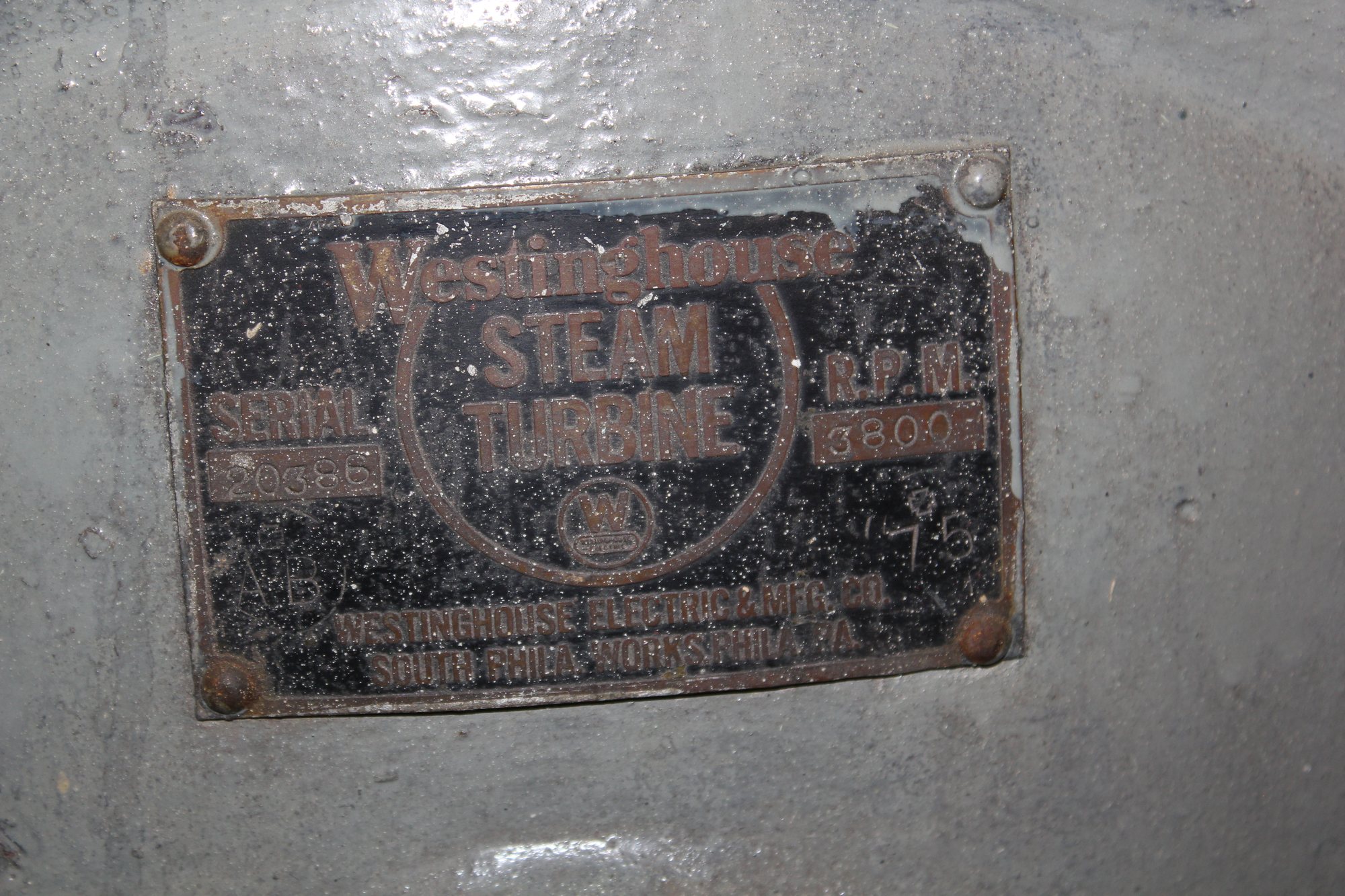
- Condenser. The physical description calls the engines “noncondensing”, while the history section says she was built to use a condenser. A Westinghouse marine surface condenser is still in her engine room (see the photographs below).
- Capacity. One passage gives 48 passengers and up to 300 tons of freight; another gives 16 licensed passengers (52 in all, counting government travellers) and up to 100 tons of cargo on the main deck.
- Builder. The description names the Berg Shipbuilding Company; the history section says “the Seattle shipbuilding company”.
- Tonnage. She is given as 1,000 gross tons register.
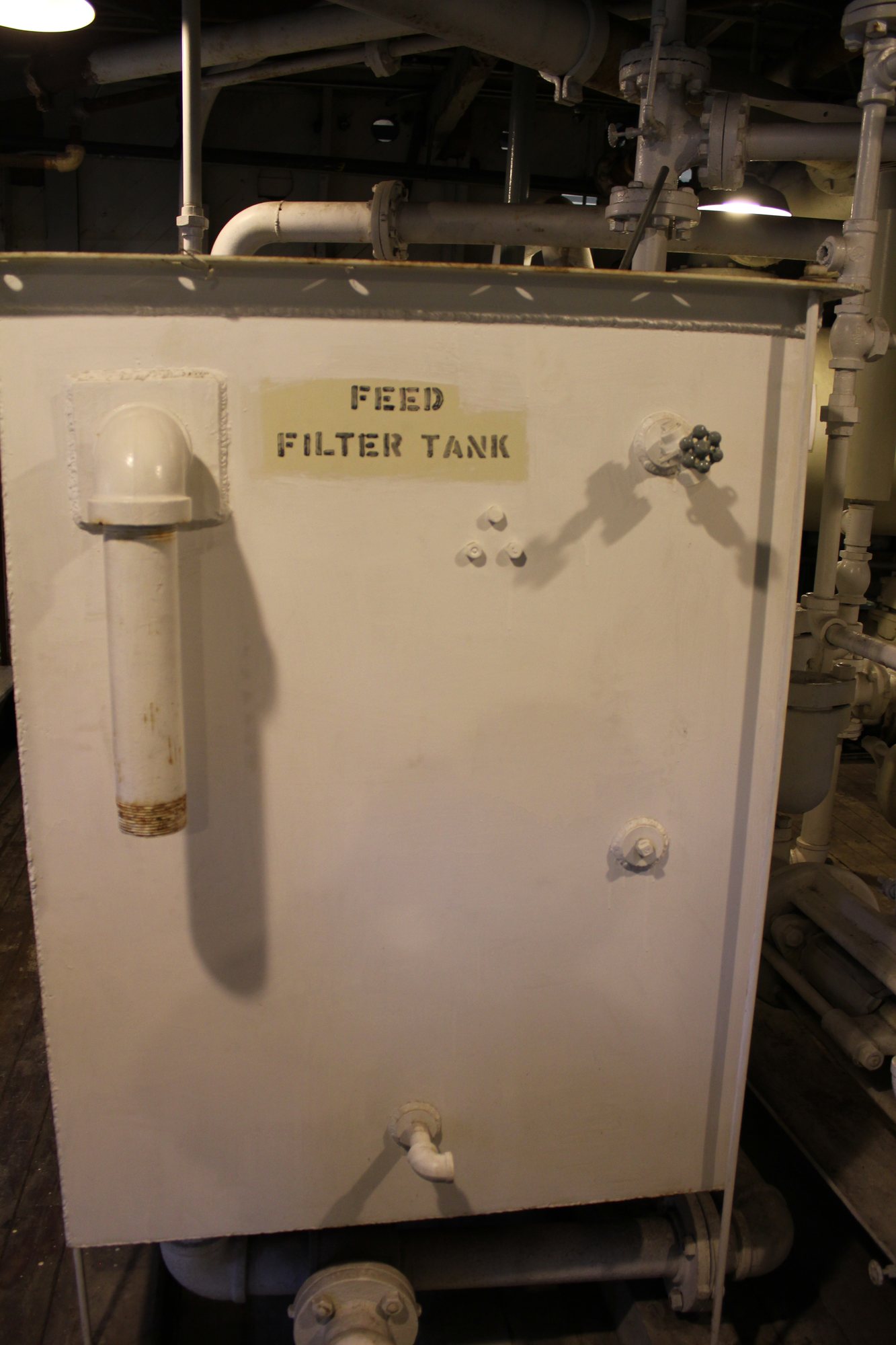
The photographs below come from visits in 2004, 2011, 2021 and 2025.